
Moving to Idaho still sounds like a dream for a lot of people: public land on a massive scale, more lakes than you can count, and ski resorts that make winter feel worth it. That dream is very real for many. It is also why so many people are deciding to leave. If you are seriously considering moving to Idaho, knowing the practical and emotional reasons behind the recent exodus can help you pick the right town, plan financially, and avoid surprises.
Table of Contents
- 1. Political Polarization
- 2. Gun Rights Got Real
- 3. Cost of Living in Idaho
- 4. Healthcare Hazards
- 5. Growth Pains and Change Fatigue
- 6. Isolation Hangover
- 7. Maintenance Fatigue
- 8. Four Seasons Becomes One Too Many
- 9. Kids Flourish and Then They Flee
- 10. Expectation Burnout
- Where This Leaves You If You Are Moving to Idaho
- Frequently Asked Questions About Moving to Idaho
- Final thoughts
1. Political Polarization
Idaho used to function as a live-and-let-live place where both sides could coexist. That balance started shifting around 2016, then accelerated into the next few years. As state policy became more explicitly conservative, people who lean left found the cultural and legal climate increasingly uncomfortable. If political alignment matters to your social life, choice of schools, and local services, this is a real factor to weigh when moving to Idaho.

2. Gun Rights Got Real
Many residents support the Second Amendment strongly. When constitutional carry became law and armed citizens began showing up at protests, some newcomers and longtime residents who want stricter gun rules felt unsafe. If public displays of firearms make you nervous, consider communities that have different local cultures or look at neighboring states with tighter regulations before committing to moving to Idaho.
3. Cost of Living in Idaho
Idaho used to be a value play: lower housing costs, cheaper everyday expenses. That changed quickly. Home prices have climbed substantially—some areas saw dramatic gains since 2000—and staples like food, gas, and insurance have risen too. Wages have increased for many trades and larger employers, but not uniformly. If your budget is fixed or your job is entry level, the cost of living here can create pressure you did not expect when first thinking about moving to Idaho.
4. Healthcare Hazards
Access and wait times are shifting as population grows. Smaller towns that once offered quick specialist appointments are now seeing longer waits and higher copays. Plans exist to expand capacity, but build-out takes time. If fast, affordable access to medical care is critical for you or your family, research specific towns instead of assuming statewide coverage will meet your needs before moving to Idaho.
5. Growth Pains and Change Fatigue
Growth brings amenities, but it also brings traffic, construction, and higher land prices. Many who moved to Idaho chasing a small-ranch or acreage dream have found those options vanish as demand drives prices and regulations up. That reality is a common reason people pack up and look for quieter pastures elsewhere.
6. Isolation Hangover
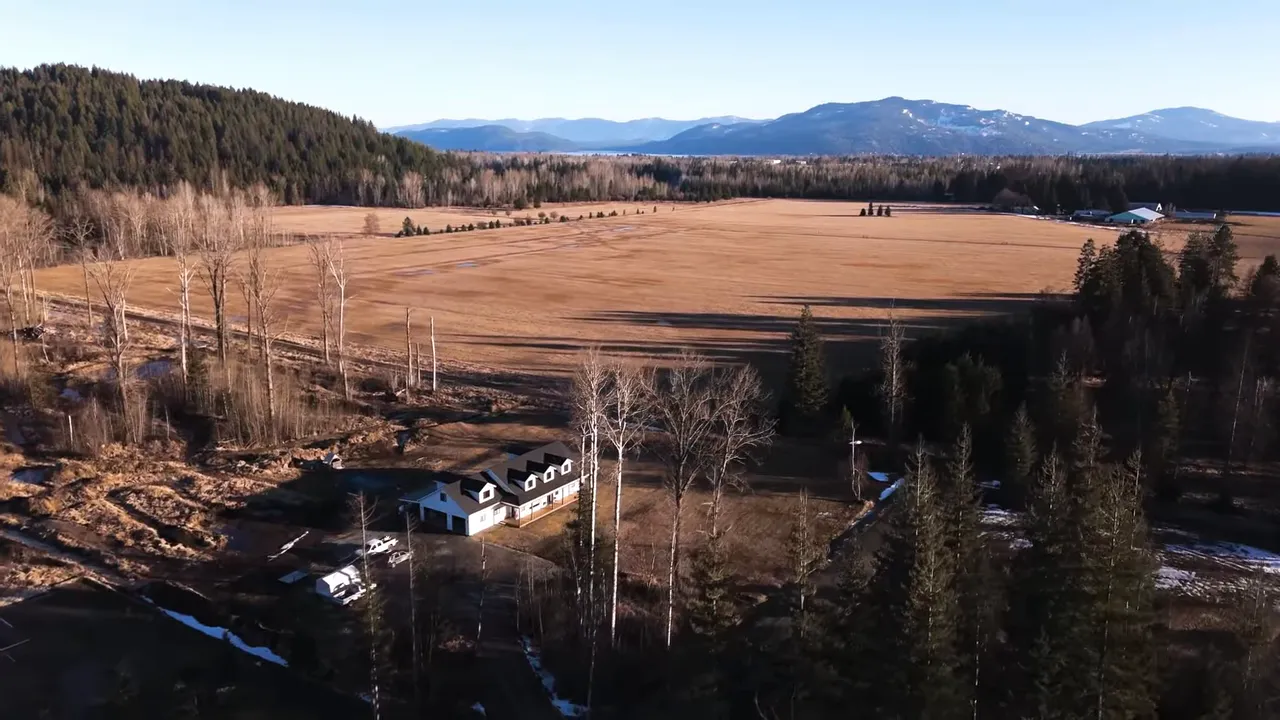
Rural life offers solitude and space—but it also brings distance from friends, family, and services. When life gets complicated, the reality of the distance can feel heavy. For social needs, health reasons, or simply convenience, some residents choose to relocate closer to urban centers or to states with denser networks instead of moving to Idaho.
7. Maintenance Fatigue
Outdoor lifestyles are fantastic, but they are also work. Boats, RVs, snow removal, acreage upkeep, and equipment maintenance add hours and costs every month. As people age or budgets tighten, the cumulative effort can make warm-weather or low-maintenance states more appealing than moving to Idaho and committing to constant upkeep.
8. Four Seasons Becomes One Too Many
Winter in Idaho includes beautiful powder days and long stretches of cold, gray weather, frozen windshields, and slick roads. That seasonal reality is wonderful in blocks but exhausting over years—especially for those with joint issues or a preference for abundant sunshine. If year-round warmth is a priority, look elsewhere before moving to Idaho.
9. Kids Flourish and Then They Flee
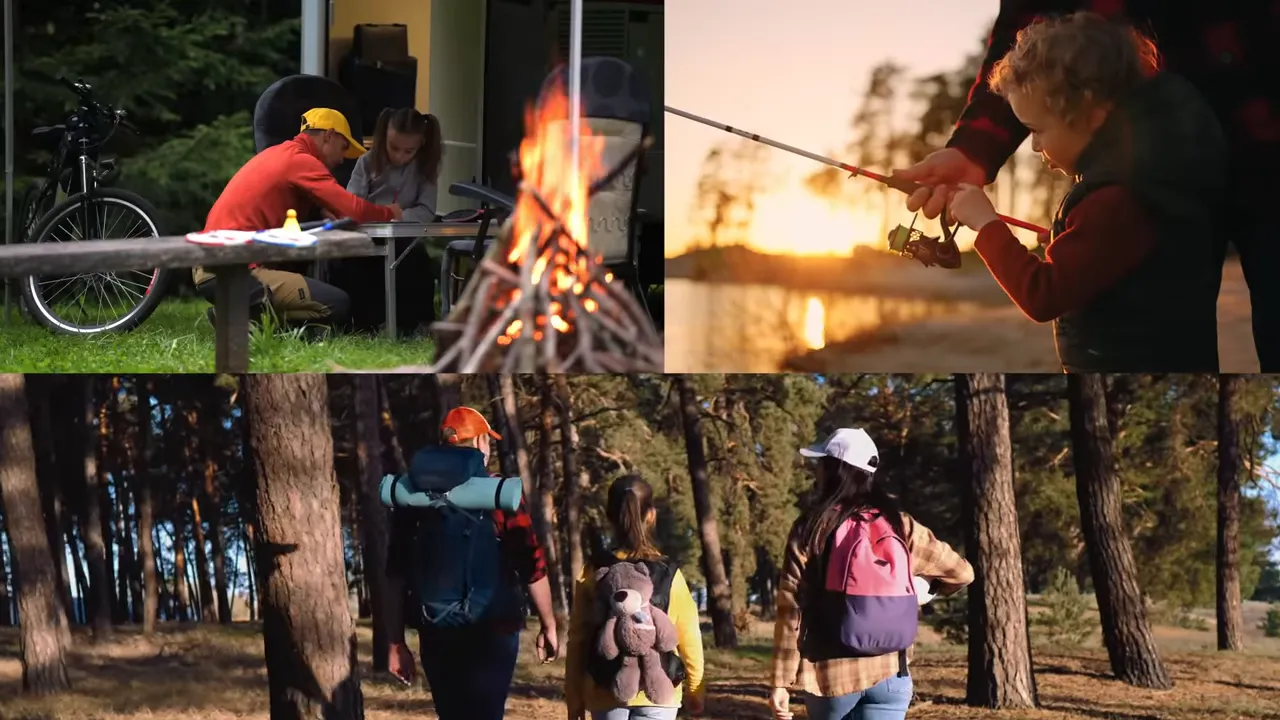
Idaho is an excellent place to raise kids: outdoor freedom, low crime in many areas, and community options. The retention problem starts after high school. Limited colleges and fewer high-paying job opportunities push young adults to leave. If your top goal for moving to Idaho is to retain the next generation locally, plan for career pipelines or accept that many young people will seek options elsewhere.
10. Expectation Burnout
People arrive expecting peace, independence, and affordable living. But the reality of long winters, maintenance costs, limited services, and cultural mismatches can erode that ideal. Staying happily rooted here takes discipline, adaptability, and a willingness to pay the hidden costs. Not everyone wants that tradeoff.
Where This Leaves You If You Are Moving to Idaho
If you are genuinely thinking about moving to Idaho, treat this like any major relocation: match your priorities to specific towns, check healthcare and job options, and visit in multiple seasons. Small towns and suburbs vary wildly. Some places still feel like the Idaho people remember; others are rapidly changing. The more research and local conversations you do now, the fewer surprises later.
Quick Checklist Before Moving to Idaho
- Visit in winter and summer to test weather tolerance.
- Research healthcare access by county and town.
- Compare housing markets for the exact area, not just the state.
- Talk to locals about culture, politics, and community fit.
- Plan for maintenance costs and time if you want outdoor toys or acreage.
Need help deciding? Call or text us at 208-907-5757 and we'll walk you through the best towns and timing for your move.
Frequently Asked Questions About Moving to Idaho
Is it expensive to move to Idaho right now?
Housing and many costs have risen in the last decade. Some parts of Idaho remain more affordable than national hotspots, but prices vary dramatically by region. Research specific towns and consider wages in your industry before moving to Idaho.
Which areas in Idaho are growing the fastest?
Boise and the surrounding Treasure Valley have seen rapid growth. Other desirable areas include parts of North Idaho and resort communities. Fast growth often means higher prices and longer wait times for services.
Will I be safe if I disagree politically with most locals?
Safety depends on your tolerance for local culture and your willingness to seek out like-minded communities. Some towns are more mixed and welcoming; others are culturally conservative. Spend time in different areas before deciding to move to Idaho.
How is the job market for young professionals?
Jobs are available in trades, healthcare, manufacturing, and technology in some hubs, but high-paying positions are less common outside major centers. Young professionals often leave for larger metros with more career options.
Does moving to Idaho mean I must own outdoor equipment?
No. Many residents embrace outdoor recreation, but you can live comfortably without boats or ATVs. Be aware that social life in many communities can center around outdoor activities.
How can I find the best town for my family?
Start by listing priorities: schools, healthcare, commute, housing budget, and social life. Visit towns that meet those criteria during multiple seasons and talk to residents about day-to-day life before making a move to Idaho.
Final Thoughts
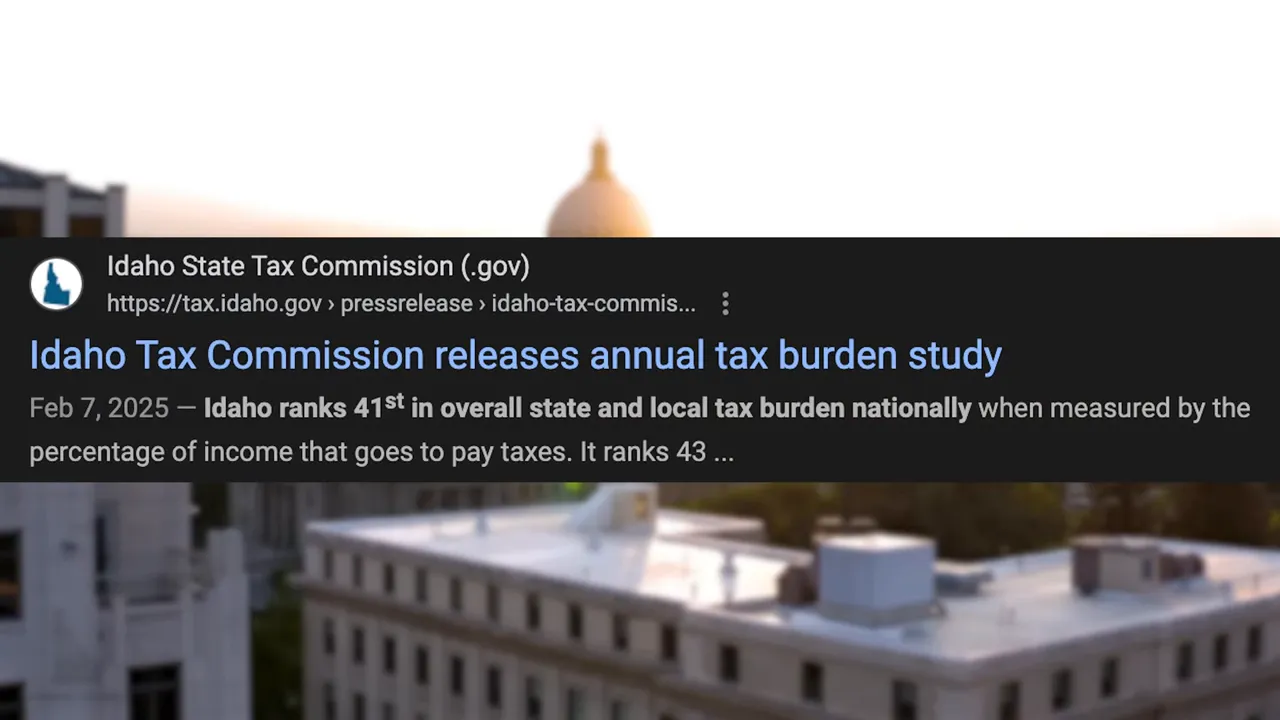
Moving to Idaho can be an incredible life decision when expectations match reality. The state offers vast public lands, recreational freedom, and lower taxes in many cases. It also brings tradeoffs: political and cultural shifts, rising cost of living in popular areas, healthcare access challenges, and the practical demands of rural living. Do the homework, choose the right community, and you can keep the dream without the burnout.