If you are thinking about moving to North Idaho, this guide lays out what life looks like beyond the postcards: the outdoor lifestyle, strong community values, rising costs, and the tradeoffs that come with rapid growth. Moving to North Idaho is about more than scenery; it is about joining a community with its own pace, expectations, and way of life. Below I share what longtime residents and recent arrivals say matters most, practical advice for newcomers, and a checklist to help you decide if this move fits your life.
Table of Contents
Why people move to North Idaho
The reasons people choose moving to North Idaho tend to cluster around a few clear themes: easy access to mountains, lakes, and rivers; a quieter, slower pace of life; a community-oriented culture; and the sense of freedom that comes from being close to wide-open spaces. For many, those headline ideas translate into specific daily pleasures — hiking and trail running in the foothills, launching a boat or paddleboard at a nearby lake, fishing rivers that are minutes from town, skiing or snowshoeing in winter, and even simple seasonal rituals like huckleberry picking or watching a brilliant sunset from a ridge. People also point to cleaner air, clear water, dark starry nights, and the feeling that properties back up to nature rather than to busier neighborhoods. Together those things shape expectations: you can find a home with a view, spend more time outside, and join communities where local events, volunteer efforts, and outdoor recreation are central to how people spend their time.
Newcomers arrive for different reasons and at different stages of life. Some are city transplants who have grown tired of urban noise, long commutes, and the high cost of metropolitan living; they arrive seeking a calmer daily rhythm and more outdoor time. Others are people who grew up in the region or moved from neighboring states and rediscovered the area’s outdoor opportunities and close-knit towns. Still others are families attracted by schools and safe neighborhoods, retirees wanting quiet and low-key community life, and remote workers who can relocate without sacrificing a career. A common thread runs through these varied motivations: life in North Idaho is structured around being outdoors — morning coffee on a porch that overlooks pines, kids biking to a nearby lake, neighbors trading tips about the best trails, and weekends shaped by the seasons. That outdoor orientation affects everything from social calendars to local businesses and even transportation patterns, so while the lifestyle is appealing, newcomers should also be ready for tradeoffs like seasonal crowds, changing infrastructure, and the realities of winter living.
What locals love about living in North Idaho
Listening to a mix of people who have lived here for two years to those who have lived here for more than five decades, the favorites always come back to the outdoors and the sense of community.
- Easy access to nature
— Lakes, rivers, hiking, skiing, and huckleberry picking are all within short drives.
- Clean water and fresh air
— Many residents point to the quality of the environment as a daily gift.
- Small-town friendliness
— People say neighbors are genuine, waves and smiles are common, and social life feels simpler.
- Family life
— Schools, churches, and community activities make it a popular place to raise kids.
How things have changed over time in North Idaho
The region is not the same as it was ten years ago. Growth has accelerated, bringing new neighbors, businesses, and amenities. That change is a double-edged sword: it creates jobs and new restaurants, but it also stresses infrastructure and the small-town rhythms people cherish.
For some, growth means opportunity. For others, it creates a sense of loss — downtowns that once felt intimate are now busier and more congested. You will hear both perspectives: optimism about fresh energy and frustration about crowding.
Traffic, tourism, and housing in North Idaho
Rapid growth brings practical challenges that show up in three main ways.
Traffic and infrastructure
Roads and streets were designed for a smaller population. As more people arrive, congestion increases — especially during summer tourist months. Expect seasonal slowdowns, construction projects in warmer months, and a learning curve for drivers who aren't used to snow when winter arrives.
Tourism and crowded public spaces
Popular lakes, rivers, and downtown areas can feel crowded. Local businesses struggle with a mixed blessing: more customers but also a loss of the same-feeling neighborhood spots that made the place special. If you value quiet downtown strolls where you know most people by name, you may find the dynamic changing.
Housing costs and affordability
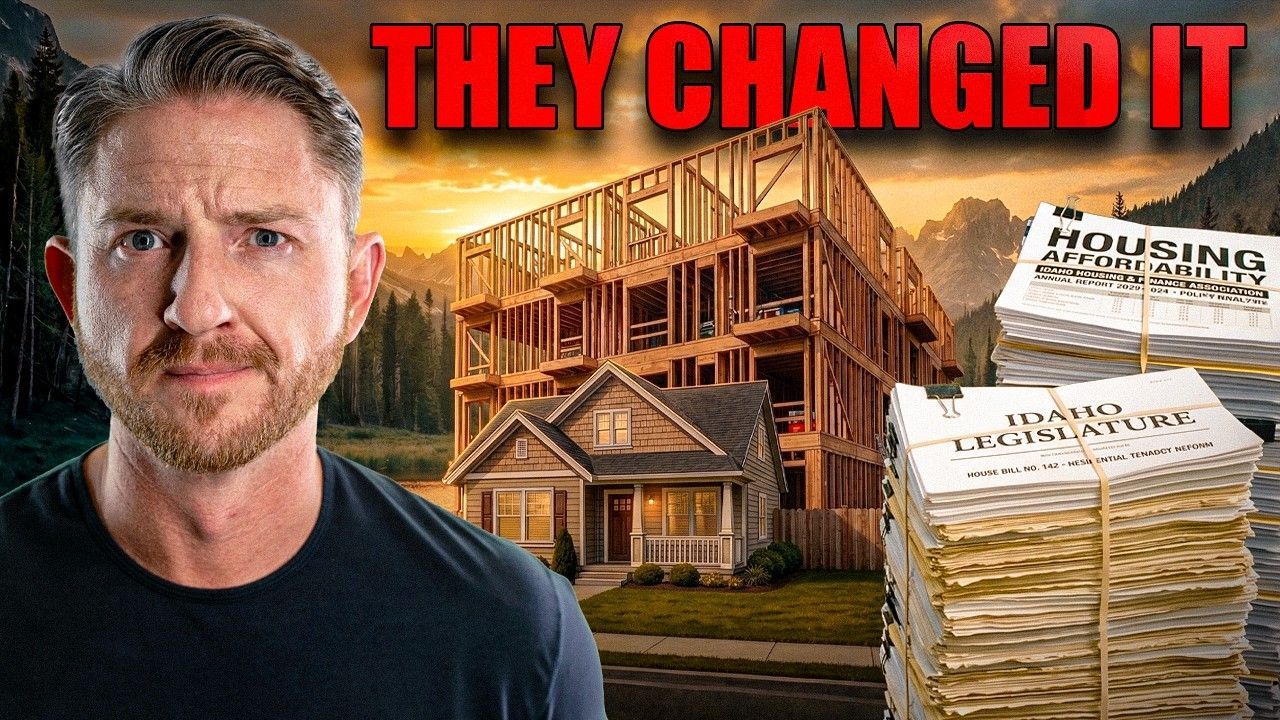
As demand rises, housing prices and rents increase. For newcomers and long-term residents alike, rising costs are a reality. Some locals adapt by working longer hours, changing lifestyles, or choosing different housing options. Others bundle households or make hard financial choices.
Culture and values in North Idaho
North Idaho has cultural traits you should know before moving: it is largely conservative, values hunting and gun rights, and holds faith and family at the center of many people's lives. That does not mean everyone thinks the same way, but it does shape local customs, politics, and community life.
Respecting local values while bringing your own perspective is important. Residents emphasize courtesy, kindness, and a willingness to be neighborly. That often translates to simple gestures: a wave on the road, a friendly greeting downtown, and practical help when someone needs it.
Advice for people moving to North Idaho
If you are planning moving to North Idaho, these practical suggestions come directly from residents who have thought deeply about adjustment and fitting in.
- Learn to drive in snow
— Winter skills matter. Practice and prepare before your first big storm.
- Be courteous to locals
— People value respect for local ways. Blend in by listening and learning rather than pushing change immediately.
- Embrace outdoor life
— If you do not like being outdoors, this might not be the right fit. Many activities and social life revolve around nature.
- Prepare financially
— Rising housing costs mean adjusting expectations. Plan for higher prices and evaluate job opportunities carefully.
- Be kind
— Small gestures of kindness go a long way. A smile, offering help, or supporting a local business builds goodwill.
Real stories, character, and what matters
Hearing what people identify as the best thing that happened to them in a year reveals character. Many talk about faith, family milestones, health recoveries, and renewed purpose. Those answers reveal a resilient community that values relationships and purpose over material success.
One person celebrated five years cancer free after a grim diagnosis. Others spoke about family weddings, new businesses, or seeing lives transformed through community services. These stories illustrate what neighbors consider important: survival, family, community impact, and personal growth.
Practical checklist before you move to North Idaho
Use this checklist to evaluate whether moving to North Idaho aligns with your goals and daily needs.
- Visit during different seasons to feel traffic, weather, and community atmosphere.
- Research commuting times and neighborhood access to outdoor spaces.
- Check local job markets and remote work infrastructure if applicable.
- Budget for higher housing costs and factor in property taxes and utilities.
- Talk with locals about schools, healthcare, and community services that matter to your family.
- Prepare for winter driving and consider tire and vehicle readiness before moving.
- Decide how you will participate in the community—volunteering, church, outdoor clubs, or local events helps with integration.
FAQs about living in North Idaho
Is moving to North Idaho affordable right now?
Affordability varies by town and housing type. Overall, prices have risen with increased demand. Budget carefully, compare neighborhoods, and consider whether you can adapt by choosing different housing options or increasing income through work. Visit and research current listings to get a realistic sense.
What is the traffic like after moving to North Idaho?
Traffic increases seasonally, with summers and tourist weekends being the busiest. Expect more congestion downtown and on routes to popular lakes. Infrastructure upgrades are ongoing, but plan commutes knowing roads can be slower than they once were.
How do locals feel about newcomers?
Many locals welcome newcomers who show respect for local customs and values. Being kind, courteous, and willing to learn goes a long way. Communities appreciate people who join rather than isolate themselves.
Is North Idaho politically conservative?
For the most part, the area tends to lean conservative and places value on hunting, gun rights, and traditional community institutions. That said, there are diverse viewpoints within any region—approach local conversations with curiosity and respect.
What should I know about winter if I am moving to North Idaho?
Winters can bring snow and shorter daylight hours. Learn to drive safely in snow, prepare your home for winter, and plan activities that help you stay engaged during colder months. Embracing outdoor winter recreation is a great way to adapt.
Will I find work if I move to North Idaho?
Job availability depends on industry and location. Some areas see growth in service, construction, and small business sectors. Remote work is also an option for many. Research local employers and network before making the move.
Final thoughts
Moving to North Idaho offers a powerful tradeoff: a life that prioritizes nature, community, and a slower rhythm, in exchange for dealing with growth pains like traffic and rising housing costs. If you want space to breathe, access to lakes and mountains, and a neighborhood where kindness and faith are common values, the region may be a great fit.
Bring practical preparedness—budgeting, winter driving skills, and an openness to local culture—and you will find it easier to make the transition. The people here are resilient, welcoming when treated with respect, and focused on family and community. If your priorities include outdoor living and neighbor-first values, moving to North Idaho could be one of the best decisions you make.