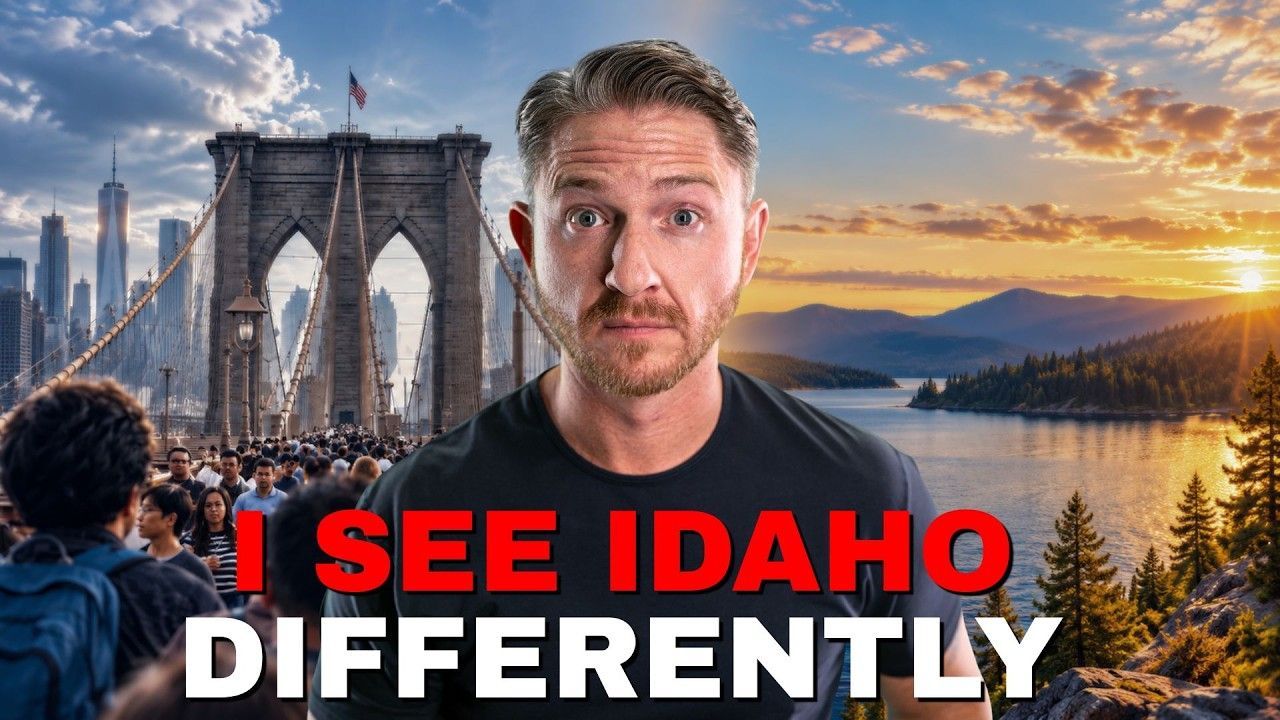

If you are moving to Idaho, or even thinking hard about moving to Idaho, there is something you need to understand right up front. People all over this state have been saying the same thing lately: Idaho does not feel like Idaho anymore.
That feeling is not coming out of nowhere. It shows up in traffic that did not used to be there, property tax bills that keep climbing, and neighborhoods that somehow feel less neighborly than they used to. It shows up in little moments too. A wave that does not get returned. A new family next door that never introduces themselves. A quiet sense that something is shifting.
I am not saying that to scare anybody off from moving to Idaho. Quite the opposite. If you love this place, or you are moving to Idaho because you want something different from where you came from, then naming the problem clearly is the first step toward protecting what makes this state worth loving in the first place.
Table of Contents
- Why Relocating to North Idaho Feels Different Today
- Why California Isn't the Real Issue
- Lessons From Living in California
- Three Ideas That Changed California
- How Idaho Is Changing Today
- What Makes North Idaho Unique
- How to Preserve North Idaho's Culture
- Final Thoughts on Relocating to North Idaho
- FAQs About Relocating to North Idaho
Why Relocating to North Idaho Feels Different Today
When people say Idaho feels different, they are usually talking about practical things first.
- More traffic on roads that used to move just fine
- Higher property taxes
- Faster growth than local culture can absorb
- A weaker sense of neighborly trust
None of those things by themselves tell the whole story. Growth is not automatically bad. New people are not automatically the problem. Rising home values are not automatically a disaster. But little changes stack up, and eventually the place starts to feel off.
That is what people are reacting to. Not just change, but change that seems to come without any shared understanding of what Idaho is supposed to be.
If you have lived here a long time, you can feel the difference immediately. If you are moving to Idaho now, you may not know what the older version felt like. That is exactly why this conversation matters.
EXPLORE NORTH IDAHO HOMES FOR SALE
Why California Isn't the Real Issue
Here is the part that makes some people twitch. California is beautiful. Genuinely beautiful.
The coastline is stunning. The redwoods are incredible. The food scene can be ridiculous in the best way. You can have mountains, desert, and ocean all within a couple of hours. There is a reason tens of millions of people have chosen to live there.
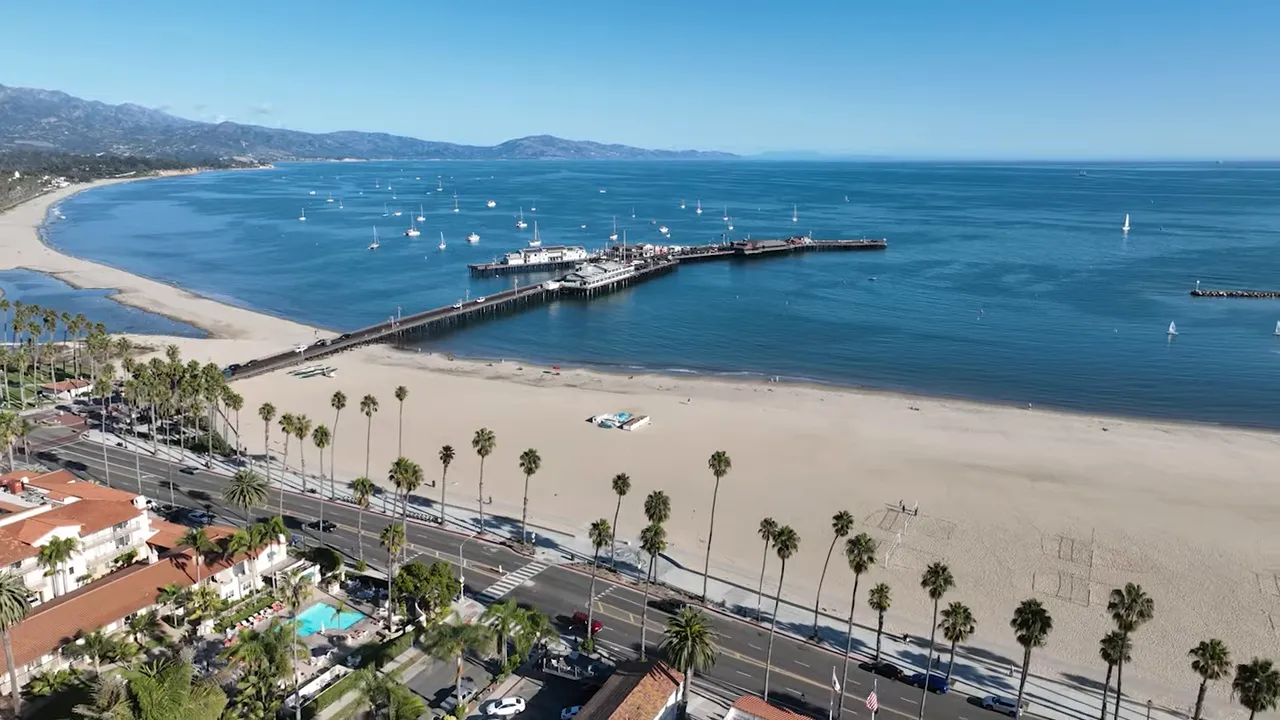
And in parts of Northern California, especially agricultural country, it can feel a lot like Idaho. Working land. Farms. People who know each other. Places where community still means something.
That matters, because this is not a lazy rant about geography or origin stories. It is not about whether somebody was born in California, Oregon, Washington, or Idaho. If you are moving to Idaho, the important question is not where your driver’s license used to come from. It is whether you are bringing the right ideas with you.
Lessons From Living in California
There is a difference between California the place and California the ideology.
In close circles, with family and with good people, there is warmth, honesty, and real connection. There are communities built on mutual support and abundance instead of scarcity. That kind of life is healthy anywhere.
But step outside those circles and something else becomes obvious. There is often a low-grade division hanging in the air. People sorted into camps. Neighbors acting like strangers on purpose. A built-in suspicion that becomes normal after enough years.
You can see it in everyday life too. Taxes pile up. Regulations pile on top of regulations. One rule creates a problem, then a second rule is passed to fix the first one, then a third is needed to deal with the consequences of the second. Before long, government is not solving problems so much as feeding on them.
That cycle is brutal once it gets rolling. People hand a problem to government. Government grows to address it. That growth creates new problems. Then the answer becomes even more government. Round and round it goes.
That is the real warning. Not scenery. Not accents. Not license plates.
Three Ideas That Changed California
California was not broken by beauty, and it was not broken by people being people. It was broken by ideas that leaked into the culture slowly enough that many people barely noticed until the consequences were baked in.
1. Government as the first call
At some point, it became normal to assume that when something goes wrong, the first answer is government. Not personal responsibility. Not family. Not neighbors. Not local problem solving. Government.
Every time a community outsources a problem it used to solve itself, that community gets a little weaker. Meanwhile, the government apparatus gets a little bigger. Keep doing that long enough and you build a system that assumes ordinary people are no longer capable of handling ordinary life.
2. Redistribution as compassion
There is real generosity, and then there is forced generosity pretending to be virtue.
Real generosity is personal. You give because you want to. You help because someone needs it. You take responsibility for caring about other people.
The corrupted version says compassion means using government power to take more from some people and transfer it to others. That sounds noble at first. In practice, it breeds resentment and discourages the very people building, creating, hiring, and taking risks.
Once the builders stop building, everybody loses.
3. Division as identity
This one might be the ugliest of the bunch. It is the idea that your primary identity is your group. Your politics. Your income bracket. Your grievance. Your tribe.
When that happens, the person across the street stops being a neighbor first. They become a category first. Once a culture starts seeing each other that way, empathy dies. Community dies. All that remains is organized resentment.
How Idaho Is Changing Today
This is the uncomfortable part. Some of these patterns are already showing up in Idaho.
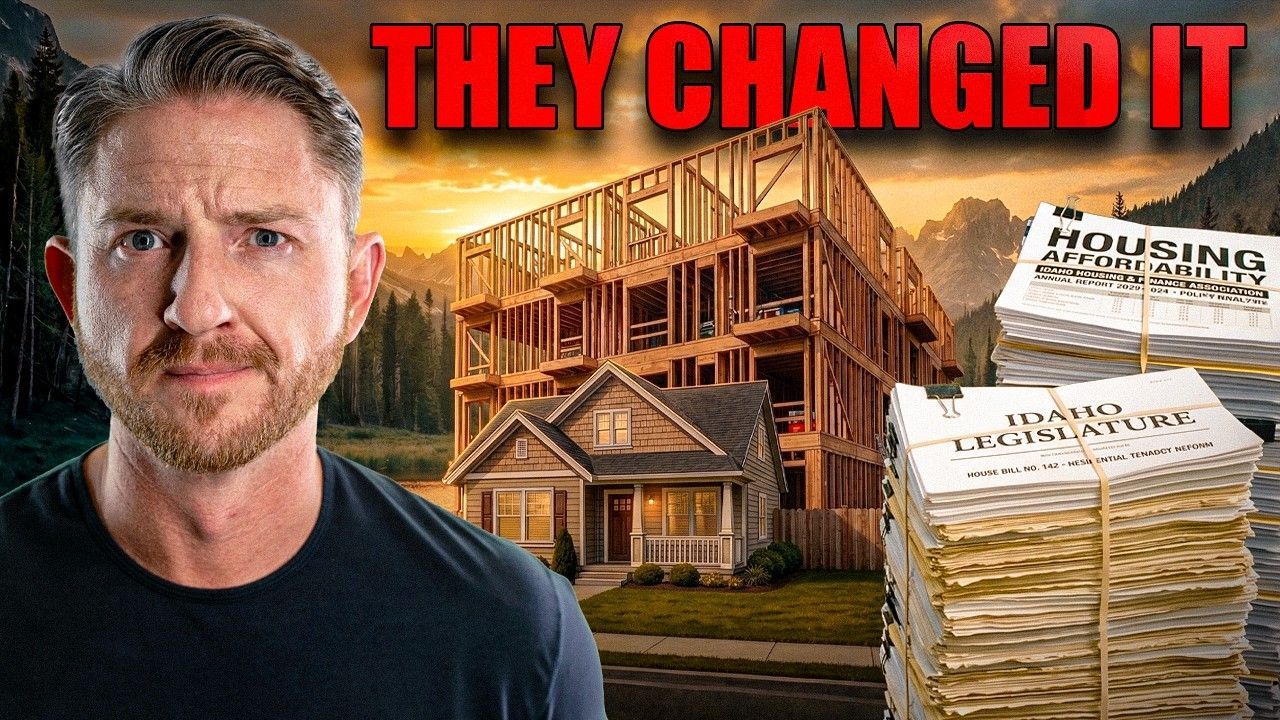
Start with housing. Idaho home values jumped 57 percent between 2019 and 2023.
On its own, that sounds great if you own a house. But the side effect matters. In 2022, the taxable value of primary residential property in Idaho increased 54.4 percent in a single year.
That means people who built their lives here, bought modest homes, paid them off, and were not asking for much can suddenly get crushed by tax bills tied to runaway valuations. Somebody moves in nearby and pays far more than the home is worth, and the longtime owner feels the consequences.
That is not just growth. That is growth filtered through a system that often punishes the people who were already rooted here.
Then there is local governance. In the West Bonner School District in North Idaho, low turnout created a vacuum that outside ideological forces were able to exploit. It eventually took a recall election to straighten things out.
Whatever side somebody lands on, the real lesson is simple. People were not paying attention until it was already a crisis.
And now Idaho is even having conversations about partisan labels on school board ballots. Again, whether you love that idea or hate it is not the main point. The point is that the ground has shifted enough that this is now part of the discussion.
Meanwhile, many local races are decided by tiny margins. Not huge waves of public engagement. Handfuls of people. The folks who bother to show up end up deciding property taxes, school direction, and what gets built next to your house.

If you are moving to Idaho, this should matter to you. Not because you need to pick a team and start screaming. Because local culture is preserved or lost in local decisions.
What Makes North Idaho Unique
So what actually makes Idaho different?
It is not just the mountains. It is not just gun laws. It is not the license plate.
It is culture.
More specifically, it is a culture built on a few old-fashioned ideas that are getting rarer by the year.
Personal responsibility
Up here, the assumption has traditionally been that you are responsible for your own life. If something breaks, your first response is to handle it, or ask the people around you for help. Not file a complaint and wait for a system to rescue you.
Neighbor first
Your neighbor is the person next door, not a demographic category. The one whose dog gets loose sometimes. The one you help move a couch on a Saturday. The one you bring soup to when somebody is sick.
Community is built, not administered
When someone is struggling, you show up. When there is a need, you do not wait for a program to materialize. You act. That is how places stay healthy over time.
And this needs to be said plainly for anyone moving to Idaho from somewhere else. People from outside Idaho can absolutely make Idaho stronger. If you move here and embrace the culture, you are part of the solution. If you move here expecting the government to run your life and your neighbors to stay out of your way, you are part of the erosion.
How to Preserve North Idaho's Culture
I do not think this gets fixed by vague slogans. It gets fixed by actual behavior.
1. Vote in local elections
Idaho is not won or lost in presidential years. It is won or lost in school board races, county commissioner races, city council races, and primaries that most people barely pay attention to.

Those are the people making decisions about property taxes, schools, and development. In many cases, your vote in those races matters dramatically more than your vote in a national contest.
2. Learn who represents you
If you cannot name your local school board members, city council members, or county commissioners, that is a problem worth fixing. Get on an email list. Attend one meeting. Yes, it might be mind-numbingly boring. It still matters.
3. Act like a neighbor
Learn names. Wave at the four-way stop. Check on the person next door. Bring over food when somebody is having a rough week. Division needs distance to survive. It has a much harder time taking root when actual relationships exist.
4. If you left somewhere else for a reason, remember the reason
This is especially true for people moving to Idaho from California, Oregon, or Washington. If you left because you saw what was happening there and wanted something different, then you already understand what is at stake. That makes you valuable here.
Do not recreate the thing you escaped.
That is really the heart of moving to Idaho well. Bring your work ethic. Bring your gratitude. Bring your willingness to contribute. Maybe leave behind the assumptions that made the last place harder to live in.
Final Thoughts on Relocating to North Idaho
I am going to keep saying this because it is true. Beauty did not break California. Ideas did.
And if ideas can corrode a place, better ideas can protect one. But those better ideas do not live on bumper stickers. They live in daily behavior. In who shows up. In who votes. In who knows their neighbors. In who carries responsibility instead of outsourcing it.
So no, Idaho does not need fewer Californians. It needs more Idahoans.
And being an Idahoan is not just something printed on a birth certificate. It is a way of carrying yourself. If you are moving to Idaho and you are ready to live that out, then good. You are exactly the kind of person this place can use.
Relocating to North Idaho: Discover Why It's the Perfect Place to Call Home
FAQs About Relocating to North Idaho
Is moving to Idaho still a good idea?
Yes, if you are moving to Idaho because you value personal responsibility, community, and a more grounded way of life. It is a worse fit if you want the culture here to bend around the habits that made other places harder to live in.
Is the concern really about people from California?
No. The real concern is about ideas and habits, not origin. Plenty of people from California strengthen Idaho when they embrace Idaho culture. Plenty of longtime residents can weaken it if they stop paying attention and stop participating.
Why do local elections matter so much in Idaho?
Because school boards, county commissioners, and city councils shape daily life. They influence taxes, schools, development, and local rules. Many of those races are decided by very small margins.
What should someone do after moving to Idaho?
Meet the neighbors. Learn who represents your area. Pay attention to local races. Show up when somebody needs help. If you are moving to Idaho, the best first step is to act like you are already part of the place, not just renting space in it.
What makes Idaho culture different?
It is rooted in self-reliance, neighborliness, and communities that solve problems close to home. The difference is cultural before it is political.
If you’re thinking about buying a home in Idaho and want to land in the right area (before taxes, growth, and community direction shape your day-to-day), I’d love to help. Call/text me at 208-907-5757 or book a FREE consultation to talk through your goals.
Let’s make your move feel clear, informed, and confident—so you can choose a home and neighborhood you’ll actually be proud of.