
Living in Idaho is still worth it for us. We are still here, we still pay the bills, and we still think there are few places better for mountains, lakes, trails, and a life that feels a little less manufactured.
But the Idaho that a regular paycheck could unlock completely, where the lake, campsite, ski hill, and wide-open weekend all felt within reach, is slipping away. Living in Idaho now requires a clearer-eyed plan. It costs more money, more patience, and sometimes more flexibility than the postcard version suggests.
This is not a warning to stay away. It is the bill. If we are considering living in Idaho, especially in North Idaho, we need to know exactly what we are signing up for before the moving boxes show up.
1. The Price of Admission Went Up on Everything
The first surprise with living in Idaho is that recreation is no longer automatically cheap just because we live here. Skiing used to be something we did because we were local. Now it is a full budget category.
At Schweitzer, a family of five can be looking at roughly $5,000 for a season with two adult passes and three kids in the ski program. That is before fuel, lodge food, gear, insurance, or the kid who somehow outgrows boots in March. Skiing has become golf with better views and colder parking lots.
Camping is going the same direction. Idaho State Parks use dynamic pricing, which is just a cheerful way of saying prices rise when everyone actually wants to go. A campsite can range from $17 to $84 per night depending on the park and timing, particularly around holiday weekends booked months ahead.
There is one small bright spot. At popular parks including Farragut, Priest Lake, Round Lake, and Ponderosa, out-of-state visitors can pay double under House Bill 93. A basic $24 site for an Idaho resident can cost an out-of-state visitor $48. It is not enough to make camping cheap again, but we will take the little victories.
The basic reality is simple: living in Idaho no longer means our regular paycheck automatically buys access to the whole state.
2. We Will Be Surrounded by Money We Will Never Touch
There is serious money here. Not just nice-truck money. We are talking generational money, lakefront money, private-club money, and boat-that-costs-more-than-your-house money.
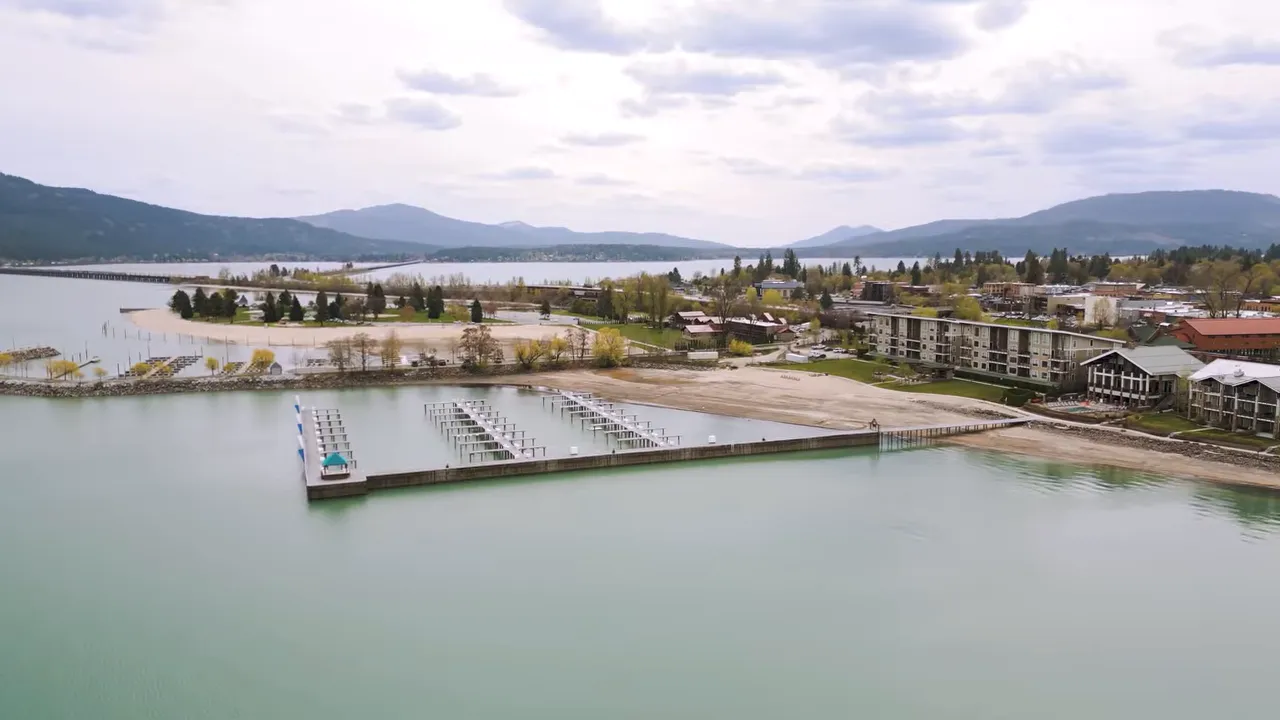
From Sun Valley to McCall to the waterfront around Coeur d'Alene, we will see a level of wealth that many of us will never participate in directly. There are private clubs we will drive past forever and never walk into. That is not a conspiracy. That is just how private clubs work.
The real danger is comparison. We can arrive doing fine, maybe even doing better than fine, then pull up beside an enormous boat at a stoplight and suddenly start measuring our life differently. That is a fast way to ruin a perfectly good life.
Living in Idaho works much better when we can enjoy what we can afford without needing to be the wealthiest person at the boat launch. If that need is in us, North Idaho can become an expensive emotional hobby.
3. The Seasons Are a Box of Chocolates
Everyone tells us Idaho winters are cold. Fine. We can buy a coat. The more expensive reality is that Idaho weather is unpredictable.
Snow can arrive late, arrive lightly, or not arrive where we need it. Meanwhile, there may be a $20,000 sled in the garage, registered, insured, and staring sadly at bare dirt in January. During low-snow years, snowmobile visits can fall by about 40%. That is not merely a disappointing season. That is an expensive recreational investment dependent on a coin flip.
Then, because Idaho likes to keep us humble, it can snow in May. We do get four real seasons while living in Idaho. We just do not get a dependable calendar for them.
That does not make Idaho worse. It means we need to avoid building a life around the assumption that every winter will be powder-perfect and every summer will arrive on schedule.
4. Nature Is Incredible, and It Has a Body Count
This is where we stop making jokes for a minute. The wilderness is the reason many of us want to be living in Idaho. It is also wilderness. It does not care that we bought hiking boots, read a relocation guide, or have an expensive four-wheel-drive vehicle.
People go missing every year, including experienced people who know the country. Wildlife is not scenic wallpaper. Water is not always as harmless as it looks. We need to plan accordingly.
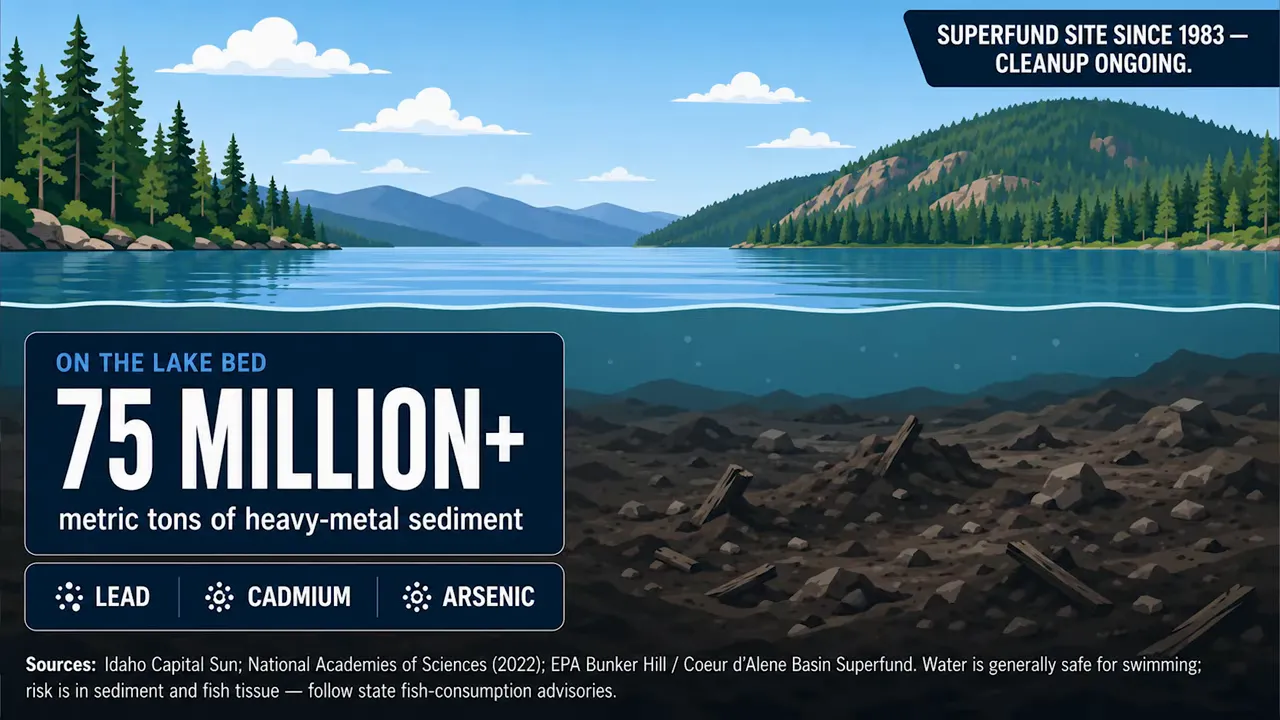
For example, the Coeur d'Alene Lake system contains more than a century of mining sediment, including heavy metals such as lead, cadmium, and arsenic. Cleanup remains ongoing, and fish consumption advisories exist in parts of the system for a reason.
None of that means we should hide indoors. It means we go outside like adults:
- Tell someone where we are going and when we expect to return.
- Check conditions before leaving, not after the weather turns.
- Read water and fish consumption advisories.
- Carry appropriate gear, communication, food, and layers.
- Respect animals, changing water conditions, and backcountry distance.
Living in Idaho is better when we respect the thing we moved here for instead of treating it like a backyard amusement park.
5. The Paycheck Does Not Always Match the Postcard
The scenery is elite. The wage picture is more complicated. Idaho's average weekly wage is about $1,235, and the statewide minimum wage remains $7.25 per hour. It has not changed since 2009, which is a long time for a number to sit still while everything else gets more expensive.
Adjusted for cost of living, Idaho performs better than the raw wages might suggest. But that calculation assumes a lifestyle closer to Idaho from 15 years ago. Housing does not seem interested in going back there.
The state is not designed around endless corporate-ladder opportunities outside major markets. Boise has more conventional white-collar options. Elsewhere, many people make it work through trades, trucking, business ownership, remote work, a truck, and a side hustle that actually earns.
There is nothing wrong with that. We just need to be honest about it. Living in Idaho is often easier when income is settled before the move rather than treated as a detail to solve afterward.
6. Healthcare Is Fine Until It Is Not
This is the most important item on the list and the one too many people research the least. Idaho ranks 50th in the nation for active physicians per capita. There are only 50 states, so there is nowhere below that to land.
Forty-three of Idaho's 44 counties are federally designated health professional shortage areas. The state would need about 1,400 additional doctors just to reach the national average. Not to become exceptional. Just to become average.
In North Idaho, the five northern counties are projected to be short roughly 50 primary care physicians by 2030. About one-quarter of Idaho's OBGYNs have retired or left since 2022, and four of nine high-risk pregnancy specialists are gone.
This is not an indictment of the physicians who are here. The doctors and medical teams are excellent, and Kootenai Health is training more people every year. It is a math problem, not a quality problem.
Before living in Idaho, we should get specific if anyone in our household has a complex condition, needs regular specialists, is planning a family, or is entering that age where specialists become less optional. Many residents travel to Spokane, and some go to Seattle, for care. That can be manageable when planned. It is a terrible surprise after we already bought the house.
7. Idaho Has Picked a Side
Idaho was long known as a live-and-let-live place. People handled their own business, and nobody needed to run a political filter at the hardware store. The state feels less like that now.
Living in Idaho means recognizing that the political direction is firmly conservative and becoming more so. In late 2025, both Idaho U.S. Senators, Jim Risch and Mike Crapo, joined a letter asking that federal marijuana scheduling not be loosened. We may agree or disagree with that position, but the useful takeaway is not the individual issue. The direction is set.
If we are moving here expecting Idaho to bend quickly toward our preferences, that is probably not the right expectation. If we expect it to stop changing in its current direction, that may not be realistic either. Better to be clear-eyed and choose a place whose culture we can actually live with.
8. Smoke Is a Season Now
We like to say Idaho has four seasons: winter, spring, summer, and smoke. It is funny until it is not.
Late summer smoke can erase the mountains we paid a premium to look at. Air quality alerts are real, and the Idaho Department of Environmental Quality tracks them in real time. For anyone with asthma, children with asthma, or other respiratory concerns, this quickly stops being an aesthetic complaint.
Air purifiers are common household equipment now. We need to account for indoor-air plans, changing outdoor routines, and the possibility that a beautiful August day may be better spent indoors than on the trail.
Living in Idaho includes the views, but it also includes some summers when nature temporarily takes the views away.
9. Outside Boise, It Gets Really Quiet
Boise has amenities, restaurants, concerts, and an airport that goes places. North Idaho has Spokane nearby, which covers a lot. But away from those hubs, the entertainment list gets short quickly.
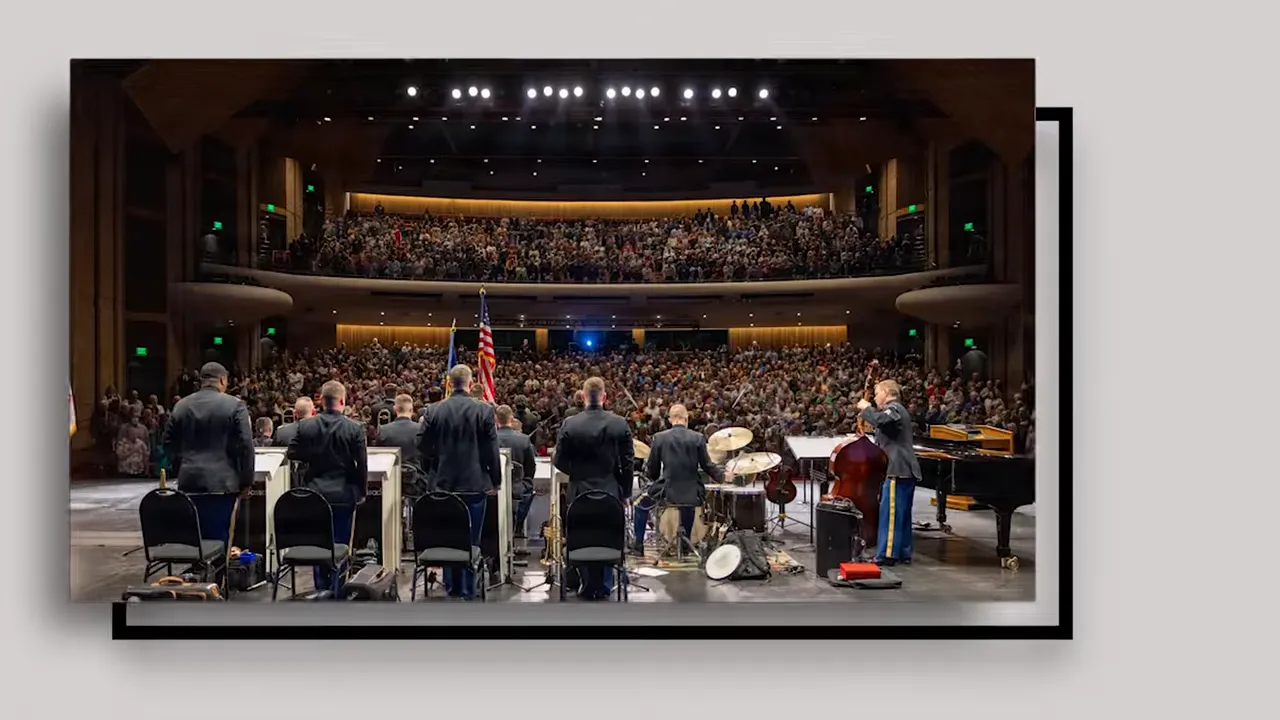
The outdoors is the entertainment. For many of us, that is the point. Lake days, skiing, hiking, hunting, boating, camping, trail riding, and river time are not side activities. They are the lifestyle.
But everyone in the household needs to be honest about that. “We will just be outside all the time” sounds great for about 14 months. Then somebody wants a Thai restaurant that is not 90 minutes away, a major concert, more shopping, or a quick flight somewhere without a long drive first.
Teenagers may have strong opinions too. They tend not to view losing theme parks and constant entertainment options as the character-building gift we think it is.
10. We Did Not Escape Anybody, We Relocated
Here is the final surprise about living in Idaho: the people we thought we were leaving behind may already be here. They are at Costco, at the coffee stand, on the lake, and in the line ahead of us ordering a drink with four adjectives.
California did not stay in California. Washington absolutely did not stay in Washington. We did not escape anybody. We relocated.
That said, there is a saving grace. The people who considered the medical access, the smoke, the wage picture, the changing recreation costs, the quiet, and the uncertainty, then came anyway, often chose Idaho for similar reasons. Those tradeoffs work as a filter.
Living in Idaho is not about finding a perfect state full of people exactly like us. It is about finding a place whose costs, culture, weather, and lifestyle make sense for the life we actually want to build.
So, Is Living in Idaho Still Worth It?
For us, yes. But it is worth it because we know the bill exists, not because we pretend it does not.
If we can afford the recreation we care about, live with unpredictable weather, plan healthcare carefully, handle smoke season, appreciate a quieter social calendar, and stop comparing our boat to somebody else's, living in Idaho can still be incredible.
The mountain is still here. The lakes are still here. The trails, forests, winter mornings, and summer evenings are still here. They just come with a price tag and a few terms and conditions that deserve to be read before signing.
Every move comes with trade-offs, and Idaho is no exception. If you're considering making the move, reach out to discuss different communities, local market conditions, and what to expect before you buy. We're here to help you make a confident, informed decision. Call or text: 208-907-5757
Frequently Asked Questions
Is living in Idaho still affordable?
Living in Idaho can be more affordable than some larger coastal markets, especially when adjusted for overall cost of living, but housing and recreation have become far more expensive. We should compare our actual income, housing needs, healthcare needs, and preferred lifestyle before making the move.
What is the biggest challenge of living in Idaho?
Healthcare access deserves the most serious attention. Idaho ranks last nationally for active physicians per capita, and specialist access can require travel, particularly outside larger population centers.
Do Idaho winters always have a lot of snow?
No. Idaho has real winter weather, but snowfall can be inconsistent by year and location. Low-snow winters can significantly affect skiing, snowmobiling, and other winter recreation plans.
Is wildfire smoke a problem when living in Idaho?
It can be. Smoke commonly affects parts of Idaho in late summer, sometimes limiting visibility and outdoor activity. Families with asthma or respiratory concerns should factor air quality and indoor filtration into their plans.
Is Idaho a good fit for people who want city amenities?
Boise has the strongest concentration of amenities in the state, and Spokane serves much of North Idaho. Beyond those areas, life is quieter and outdoor recreation is the main attraction. That is either a feature or a dealbreaker, depending on the household.