

Winter in Idaho: What to Expect and How to Prepare for North Idaho's First Snow

January 13th brought temperatures of 54 degrees to Coeur d'Alene. In January. It was warm enough to break the daily temperature record, with cyclists, dog walkers, and residents heading out to enjoy the sunshine in city parks like it was spring.

But that's not necessarily what you should expect from winter in Coeur d'Alene or the rest of North Idaho.

By mid-March, Coeur d'Alene had recorded around 31 inches of snow, compared to its typical seasonal average of approximately 70 inches. Schweitzer Mountain received just 164 inches of snowfall, well below normal, and ended its ski season a week early.

If you moved to North Idaho within the last couple of years, you might have bought a snowblower that has barely seen any action. But don't let a couple of unusually mild winters fool you. North Idaho winters can look very different from one year to the next.

Now NOAA's winter outlook is out. A very strong El Niño and warmer-than-average temps favored for the Pacific Northwest. So the natural thought is, great, another easy one. But here's what I'd tell you if we were sitting over a coffee: up here, the forecast doesn't get the final say.

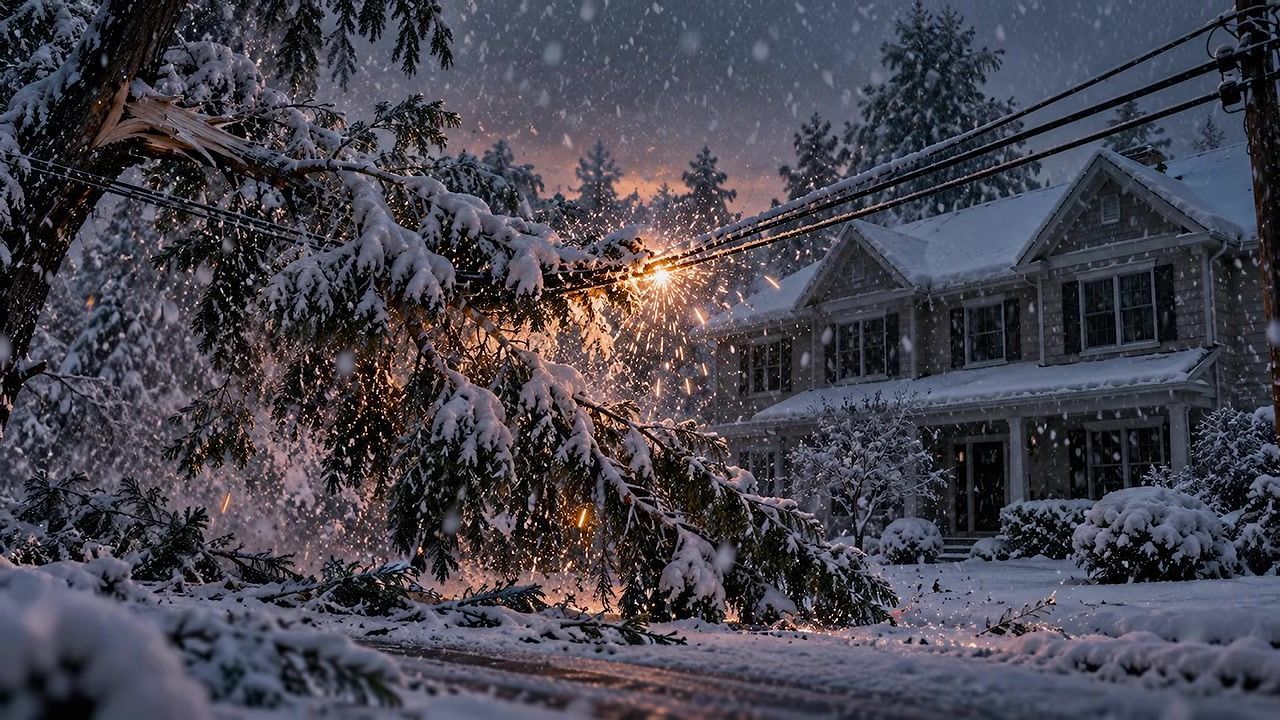
The last time we came off a light winter into a Super El Niño was the winter of 2015 into 2016. Schweitzer went from 128 inches the year before to 277, and 107 of those inches fell in December alone. I've lived in the inland Northwest for over three decades, and I've watched a mild forecast turn into a December like 2015. The week before Christmas brought Coeur d'Alene 11 inches in a single storm, and then heavy wet snow snapped trees and power lines all over town. Thousands of people lost power right before Christmas.

A lot of people who moved here recently have never seen a real North Idaho winter. And the ones who get burned are the ones who did not get ready. So here are 7 things to do before the first snowfall. The last one is for anybody touring homes this winter, because it's the one a mild winter hides and it can cost you the most.

Table of Contents

Get Your Car and Your Driving Ready

Every year, the first real snow after a mild stretch is when the crashes pile up. Some people forget how to drive in the snow. Or they never have, and they think they know how, and they definitely don't. There are also a lot more of us on the same roads now. That's more than 50,000 extra people on the same Highway 95 since 2010.

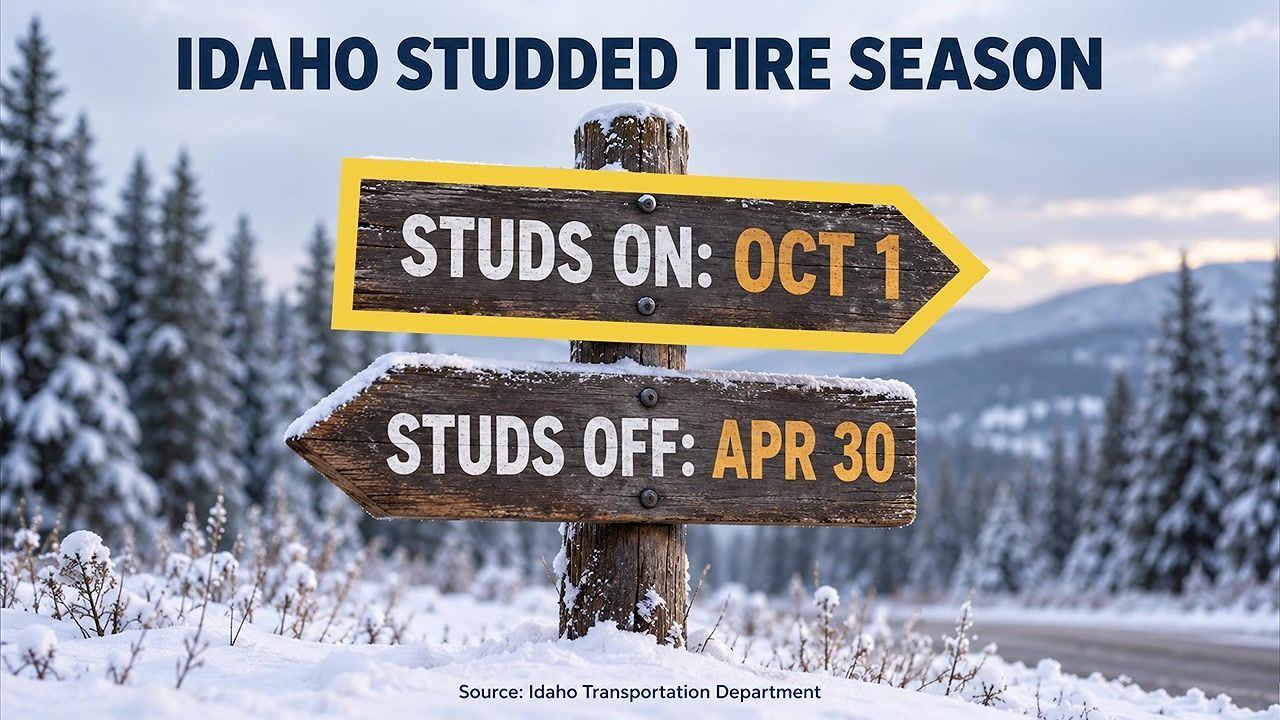
Get your winter tires on. Studs are legal in Idaho from October 1st through April 30th. Throw a winter kit in the car: blanket, scraper, shovel, some water. And slow down. Four-wheel drive helps you get going. It does nothing to help you stop. Most of the trucks in the ditch on 95 have four-wheel drive. It just got them there faster.

Slow down. Leave room. Give the plows room. This is how we keep this place enjoyable to live in, even in the winter chaos. Nobody's asking you to drive like a grandma. Just drive like you know it's snowing. Or like you are on an ice rink. That is also helpful.

Service Your Furnace Now

The roads are what you notice first, but the house is what costs you money. Get your furnace serviced now, not when it quits. A furnace that's been sitting since April doesn't usually die on a nice 45-degree afternoon. It dies on the first night it hits single digits.

We will hit single digits for at least a week, sometimes two, sometimes three. A good service doesn't just clear up your furnace. The tech checks it for carbon monoxide leaks too, which can be a real lifesaver. And change the filter while you're at it. If your furnace can't breathe, it doesn't really like to work that long.

When a cold snap finally hits North Idaho, every furnace in the area gets put to the test at the same time. And remember that furnace technician you meant to call back in October? He's probably booked solid now. That's because everyone else who put off their furnace maintenance is calling him, too. It's one of those things you don't think much about during a mild fall, but you'll wish you had taken care of before winter in North Idaho really kicks in.

Protect Your Water Lines

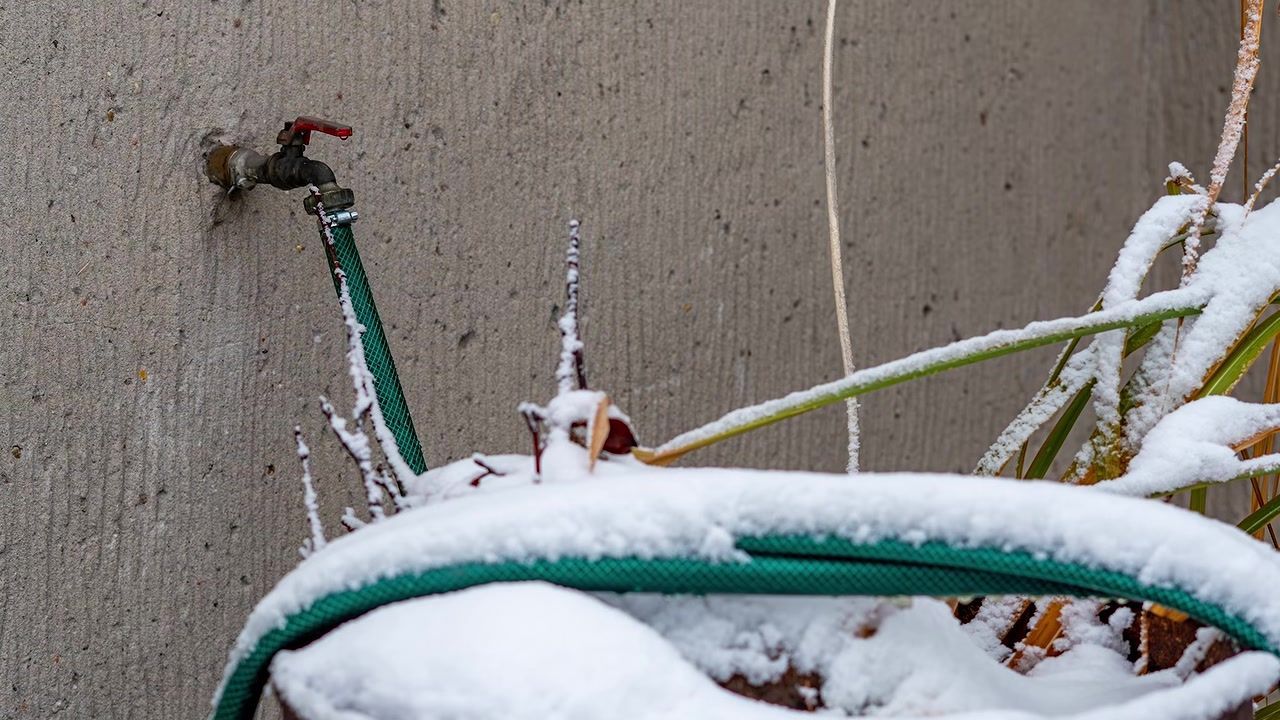
Heat is half of it. Water is the other half. Shut down your water outside and protect it inside. On the outside, disconnect your garden hoses, shut off and drain your outdoor spigots, and put a cover on them. If you've got sprinklers, get the lines blown out.

The garden hose is the most dangerous thing on your property in January, which is a weird thing to say in a state with this many guns. But yeah, when the water inside the hose freezes, it starts to freeze the pipes inside your home, and pop, you now have a pool in your basement or crawl space that you don't want.

Inside your house, wrap any pipes in a crawl space, a garage, or along an outside wall with insulation wrap. And find your main water shutoff now, in daylight, while it's dry. Because the alternative is finding it at midnight with a flashlight in your teeth while your basement turns into lakefront property, and not the kind that goes up in value.

Standard homeowners policies typically won't cover freeze damage unless you kept the heat on at 55 degrees or higher, or shut off the water and drained the system. Read that part before you leave, not after you get back. That's too late.

Ice Dams: It's the Attic, Not the Gutters

An ice dam forms when heat from your attic warms the roof, melts the snow, and that water runs down and refreezes at the cold edge of the roof. Then the next round of melt backs up behind it, gets under the shingles, and comes through your ceiling.

Most people think clean gutters prevent ice dams. Clean gutters help because the ice melt has somewhere to go, but the real cause is attic heat. The fix is insulation, sealing air leaks into the attic, and ventilation. So yeah, a lot of people spend November up a ladder fixing the wrong end of the house.

Those big, beautiful icicles that look great on a Christmas card? Those are a warning sign. Big icicles usually mean heat is escaping where it shouldn't.

Now, if you're house hunting, here's the problem. You can't see any of this on a dry November showing. The roof looks fine, the ceiling looks fine, nobody's ice dam shows up until February. That's exactly the stuff we walk people through: what to look at, what to ask the seller, and how a house actually holds up in a real winter here before you're the one who owns it. The expensive mistake isn't missing an icicle. It's finding out about the attic after the closing when it's your ceiling and now your bill.

Plan for Power Outages

Plan for the power going out because that's what heavy wet snow does. It loads up on the trees, the trees come down on the lines, and when the power goes out, so does your furnace, even if it's gas. Most do need electricity to run.

Test your smoke and carbon monoxide detectors. Test your generator now, not the night before it goes out when you find out it's still in the box with the receipt taped to the side. That's not a good sign. And this part is serious: never run a generator in your garage, a basement, or anywhere enclosed, not even with the door cracked. Carbon monoxide kills people every winter, and you won't smell it.

Actually, for me, a year before I got my real estate license, an instructor and her entire family lost their lives due to a carbon monoxide leak. So please take this seriously and look up to make sure that you know which trees are hanging over your house or your power line and try to get those taken care of before a heavy snow.

And keep an eye on the snow load on carports and porch roofs. In the winter of 2007 to 2008, carports and outbuildings collapsed under the snow in Bayview. In January 2017, a woman in northern Idaho was killed when the snow-loaded roof of her porch came down. If it's sagging, get the snow off safely or hire someone to do it for you.

If You're Leaving for the Winter

Snowbirds and anybody leaving for a couple weeks over the holidays, this one's for you. This is how it goes wrong. You lock up and head somewhere warm. A storm takes the power out while you're gone and the furnace stops. The pipes freeze, then burst, and water runs until somebody finds it. And when you finally get home, the water bill is only the second worst surprise.

Have someone check on your house regularly. Not once, regularly. Keep the heat at 55 or higher, or shut off the main water and drain the lines. A remote temperature or water leak sensor that pings your phone is a really cheap insurance policy.

And speaking of insurance, I am not an insurance agent, so check your own policy, but standard homeowners policies typically won't cover freeze damage unless you kept the heat on or shut off the water and drained the system. Read that part before you leave, not after you get back. That's too late.

Check Access on Any Home You Tour This Winter

Everything so far is about the house you already have. This last one is for the house you're about to buy. If you're touring homes this winter, check the access before the snow hides it.

A mild stretch makes every road look easy. That steep private road on a dry day in November is a nice country drive. In January, it's a loose track with a mailbox at the bottom. So ask who plows it. If it's a private road, don't assume the county is coming. Find out if there's a road maintenance agreement, who pays, and who actually does the work. If the answer is, oh, the neighbors usually take care of it, ask which neighbors and whether they still like each other.

Look at the driveway too. How steep, how long, which way it faces, and where you actually are going to be able to push the snow. And how far is it to the nearest road that gets plowed? A house can be perfect in every other way and still turn into a hostage situation every time it snows.

If you're looking at rural property and want help sorting that out, reach out. The contact info is right below.

Which Preparation Matters Most

If I had to rank these seven things, here's how I'd do it. The car and the driving come first because that's the one that can hurt you the fastest. The first real snow after a mild stretch is when the crashes pile up. Slow down, leave room, and get your winter tires on.

The furnace and the water lines are tied for second because those are the ones that cost you the most money. A furnace that quits on the first night it hits single digits is expensive. A burst pipe while you're gone is worse. Get the furnace serviced now, wrap your pipes, and find your main water shutoff in daylight.

The ice dams, the power outages, and the winterizing if you leave are all tied for third because those are the ones that catch people off guard. Most people think clean gutters prevent ice dams. They don't. The real cause is attic heat. And most people don't plan for the power going out until it does. Test your generator now, not when the lights go out.

The access check is last on the list but first in importance if you're buying. A house can be perfect in every other way and still turn into a hostage situation every time it snows. Check the access before the snow hides it.

Final Thoughts: Get Ready Like It's Going to Be a Big One

Bottom line, get ready like it's going to be a big one. If it's mild, great, you're ahead of it. If it's not, you'll be glad you did. I've lived in the inland Northwest for over three decades, and I've watched a mild forecast turn into a December like 2015. The week before Christmas brought Coeur d'Alene 11 inches in a single storm, and then heavy wet snow snapped trees and power lines all over town. Thousands of people lost power right before Christmas.

I can't tell you this winter will be like that. Nobody can. But I can tell you a lot of people who moved here recently have never seen a real North Idaho winter. And the ones who get burned are the ones who did not get ready.

If you're thinking about moving to North Idaho  or you're already here and want help sorting out what a house actually looks like in a real winter before you buy it, let's talk. Call or email us to schedule a time to talk with me or my team. You can pick the time that works best for you. 

FAQ: North Idaho Winter Preparation

What should I do first to prepare for winter in North Idaho?

Get your car ready and change how you drive. The first real snow after a mild stretch is when the crashes pile up. Get your winter tires on, throw a winter kit in the car, and slow down. Four-wheel drive helps you get going, but it does nothing to help you stop.

Do I really need to service my furnace every year?

Yes. A furnace that's been sitting since April doesn't usually die on a nice 45-degree afternoon. It dies on the first night it hits single digits. And when that cold snap hits, every furnace in the county gets tested on the same night. The furnace guy you didn't call in October is real busy now because everybody else who didn't call him in October is now calling him.

How do I prevent ice dams?

The real cause of ice dams is attic heat, not dirty gutters. An ice dam forms when heat from your attic warms the roof, melts the snow, and that water runs down and refreezes at the cold edge of the roof. The fix is insulation, sealing air leaks into the attic, and ventilation. Those big, beautiful icicles that look great on a Christmas card are a warning sign that heat is escaping where it shouldn't.

What happens if the power goes out?

When the power goes out, so does your furnace, even if it's gas. Most furnaces need electricity to run. Test your generator now, not when the lights go out. And never run a generator in your garage, a basement, or anywhere enclosed, not even with the door cracked. Carbon monoxide kills people every winter, and you won't smell it.

What should I do if I'm leaving for the winter?

Have someone check on your house regularly. Not once, regularly. Keep the heat at 55 or higher, or shut off the main water and drain the lines. A remote temperature or water leak sensor that pings your phone is a really cheap insurance policy. Standard homeowners policies typically won't cover freeze damage unless you kept the heat on or shut off the water and drained the system.

What should I check before buying a home in North Idaho?

Check the access before the snow hides it. That steep private road on a dry day in November is a nice country drive. In January, it's a loose track with a mailbox at the bottom. Ask who plows it, find out if there's a road maintenance agreement, and look at the driveway. A house can be perfect in every other way and still turn into a hostage situation every time it snows.

Living Life Realty Group

MOVING TO North Idaho

Guide titled "Living in North Idaho" over an aerial view of a city with a lake.

WATCH OUR VIDEOS

Share this article

Recent Posts

A man appears startled while a moose charges towards him in a forested area.
By Trent Grandstaff • November 12, 2026
Thinking about moving to North Idaho? I'm sharing the real challenges of living here: winter's mental toll, social isolation, cost vs. jobs, and rapid growth.

A man stands next to a firearm with a suppressor, against a backdrop of an American flag.
By Trent Grandstaff • October 29, 2026
See why Idaho residents may benefit from the ATF's NFA changes while Washington and Oregon residents face different rules.

A man with a surprised expression in front of a sunset landscape, discussing property tax in Moscow, Idaho.
By Trent Grandstaff • October 22, 2026
Moscow, Idaho breaks every typical Idaho checklist: no lake, no mountains, property taxes double the state average, and a college town in wheat fields.
and nobody close enough to hear the table saw.
By Trent Grandstaff • October 8, 2026
Athol, Worley, and the Silver Valley offer acreage, quiet, and prices that still make sense. Here's the real catch nobody puts in the listing for each one.

Here in Kootenai County specifically, a meaningful share of listings have already taken a price cut, and homes
By Trent Grandstaff • October 1, 2026
North Idaho home prices are up 8% while rates hit 7.19%. We break down what waiting actually costs buyers in Coeur d'Alene, Post Falls, and Kootenai County.

The difference is that Idaho makes it easy.
By Trent Grandstaff • September 24, 2026
After 34 years in North Idaho, a week in NYC reminded me what makes this place worth protecting: space, affordability, and the freedom to choose your lifestyle.
Then July hits and they're sitting in traffic in the town they moved to escape traffic.
By Trent Grandstaff • September 17, 2026
Thinking about moving to North Idaho? Compare Coeur d'Alene, Sandpoint, and Hayden for lifestyle, convenience, isolation, and real estate.
It's owned by the state, not by you, not by the guy upstream, not by anybody whose land
By Trent Grandstaff • September 10, 2026
Buying Idaho land? Water rights, access, buildability, wildfire insurance, and hidden rules can cost you everything. Here's what to check before you sign.
inside it can be as small as 1,500 square feet.
By Trent Grandstaff • August 27, 2026
See how Idaho’s 2026 housing laws impact ADUs, short-term rentals, squatter removal, and property rights for North Idaho homeowners.
Text reading “IDAHOANS NEVER FORGIVE” beside a man’s portrait and a crossed-out sign in a forested landscape
By Trent Grandstaff • August 21, 2026
Moving to Idaho? Learn 10 things newcomers do that can hurt their reputation, from private land and winter prep to respecting small-town life.