

10 Painful Mistakes When Buying Land in Idaho (And How to Avoid Them)

Picture this: You just closed on 20 acres of beautiful North Idaho land. You're already imagining your custom home, a spacious shop, maybe even a dirt bike track winding through the pine trees. It sounds like a dream, right? Then the perc test results come back, and they fail. Maybe the soil doesn't absorb water fast enough, or maybe it drains too quickly. Either way, you may not be able to install a conventional septic system, which could leave you with a piece of land you can't build on. And to make matters worse, that can seriously affect its resale value.

I've lived in North Idaho for 32 years, and my team and I have helped dozens of buyers find the right piece of property. I'd love to tell you we've had a perfect track record, but that's not the case. We've had a couple of clients who chose not to follow our advice, and unfortunately, they ended up losing a significant amount of money.

That's why I want to walk you through the 10 biggest mistakes people make when buying land in North Idaho. These aren't just little details you can overlook. We're talking about mistakes that can cost you real money, delay your plans, and create a whole lot of unnecessary stress. My goal is to help you avoid those problems before you ever make an offer.

Table of Contents

Skipping the Percolation Test

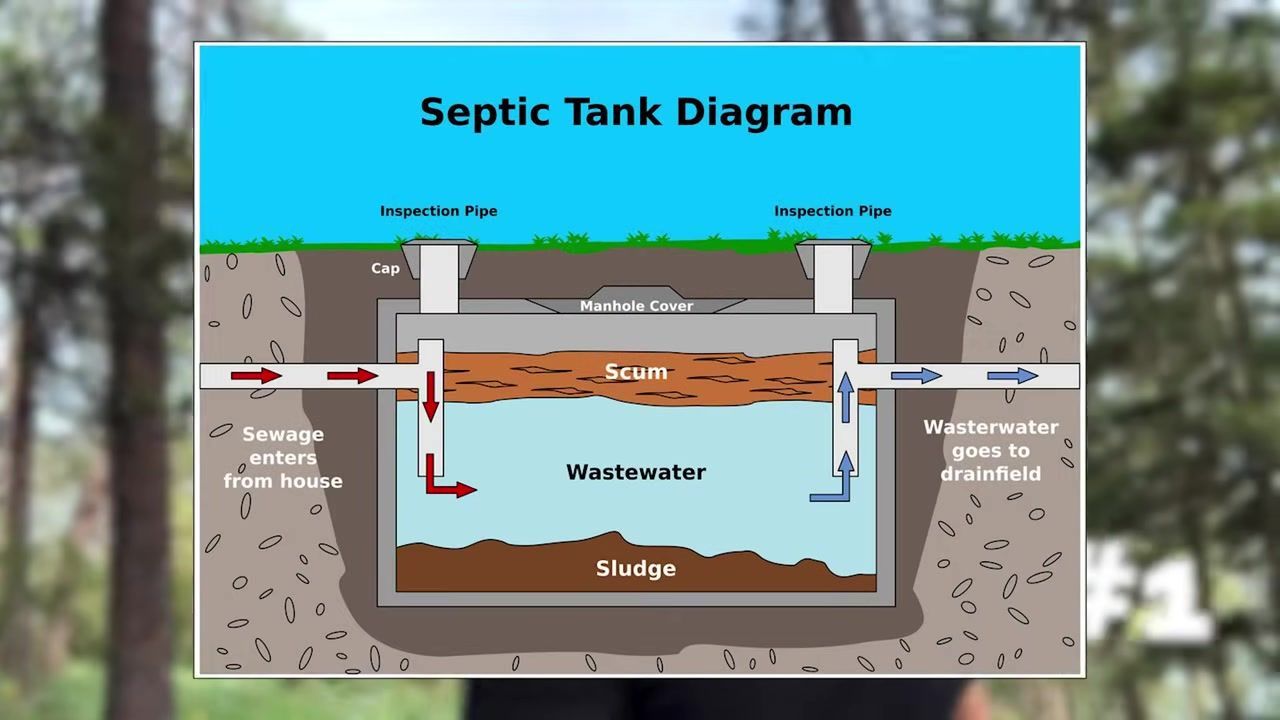
A percolation test measures how quickly water absorbs into the ground. When you're putting in a septic system, the water needs to drain at the right speed. If it percolates too quickly, you're putting bad bacteria into the groundwater, which can make people sick. If it doesn't absorb fast enough, the water backs up into your septic system, and you've got a mess on your hands.

Not every area allows alternative systems if a traditional septic won't work. So if you skip the perc test and find out later that your land failed, you could be stuck with a piece of property you can't build on. That's an adverse material fact, and it's going to tank your resale value. Don't assume the land will pass just because it looks dry and level. Get the test done before you close.

Not Getting an Appraisal (Even When Paying Cash)

We see a lot of cash buyers up here, when you're paying cash, you don't have to get an appraisal. Some people think they'll save a few hundred bucks by skipping it. But here's the thing: without an appraisal, you have no idea if you're overpaying for that property.

If the appraisal comes back lower than the asking price, you now have negotiating power. You might save thousands, not hundreds. And if it comes back at or above asking, at least you know you're paying a fair price. Don't skip the appraisal just to save a little money up front. You could be losing a lot more on the back end.

Ignoring CC&Rs and Deed Restrictions

Conditions, covenants, and restrictions, CC&Rs, are the specific rules written into law for what you can and can't do on a property or in an area. Deed restrictions work the same way, but they're tied to the property itself.

Let's say you want 20 acres so you can build a dirt bike track and open it to the public. That might be my dream, to be honest. But not every area is going to allow that. Some deed restrictions say you need to leave the land as it is, you can put up a dwelling and a shop, but you can't change much else. Or maybe you just want to have cows, sheep, and chickens. You're way out in the country, so of course you can do that, right? Not necessarily. If you didn't look close enough at those CC&Rs, you could be making a huge mistake.

And here's the kicker: if you're allowed to do something, so is your neighbor. You might never start a pig farm, but your neighbor might. If there's a pig farm next to your property, your property value just went down significantly. So read those CC&Rs before you buy, not after.

Walking the Property Only Once (or Never)

During the pandemic, we saw people buy property sight unseen. That property might look one way on a plot map, but when you're actually walking it, it might be a little bit different. You want to look for encroachments, things that shouldn't be on your property, or easements, which are agreements that let someone else use part of your land.

Maybe the seller had a good relationship with the neighbor, and they had a handshake agreement about a shop that sits partially on both properties. Handshake agreements can actually be legal here in Idaho, which is pretty crazy. I'll make another video about that someday. But without an official agreement, that handshake deal might not extend to you as the new buyer. You could find yourself having to tear down a shop because you didn't check to make sure it's in the right spot. Walk the property. Look for stakes, markers, and anything that doesn't match the map.

Relying on Old Surveys Instead of Getting a New One

Getting a new survey is an expense, anywhere from $2,000 to $6,000, depending on how much ground the surveyor needs to cover. But it's worth every penny. In Idaho, they used to use an old-school method called a topographic survey. They'd go, "All right, from that tree over there to that stump over there and that rock over there, that's your property line." It was pretty accurate back then, but now? Trees get knocked over. Forest fires happen. You need to know where your property begins and where it ends.

If you don't know that, you could build a fence on the wrong side of the property line, and your neighbor, maybe someone who's not thrilled about out-of-towners, is going to be real angry. That's how you end up in a lawsuit. If you have an old survey, go out and walk it. Look for the stakes and property markers. But definitely get it verified with a new survey.

And just so you know, if there is an encroachment or easement involved with that property, it's not the end of the world. It doesn't mean you have to reject the property. It just means you need the right easement or encroachment agreements written up and signed. A good realtor should be able to handle that.

Skipping the Well Report

A couple years ago, we had a client who really wanted to buy the property next to his friend's property, about 20 acres. His friend told him, "Hey, I got the well test, I got everything done, you're totally fine, just purchase that property." We encouraged that buyer not to just trust his friend. I'm sure his friend is an honest guy, but maybe there was a mistake made. He said, "No, no, I'm going to save some money. I trust my friend." So he bought the lot.

Well, he goes to develop it and get a well drilled. The well company comes out and says, "Hey, you know the water table is about 450 feet, don't you?" He did not. And unfortunately, he had a bit of a tight budget, and that was outside of his budget. So he decides to sell it. His friend comes to him and offers about 80% of the cost he just paid, because that deep water table is an adverse material fact, and he's going to have a hard time getting full price from anybody else. 

So definitely get the well reports. They're not that hard to get, and a good agent will get those for you. You definitely want to know where that water table is. It's not always a sure thing, but you can budget for it. Getting a well can be very, very expensive. Most of the wells up here aren't that deep, but some are. You really need to know what you're about to spend.

Not Researching Zoning Laws and Utility Access

Zoning laws are not fun. It's extremely boring stuff, and that's why agents get paid pretty well, because we dig into this stuff that nobody else wants to. You might be buying a piece of property and you think, "Well, I'm out in the middle of nowhere, I got 20 acres, I'm going to build a self-storage unit to help me fund this property and bring in a little bit of money." Zoning laws might not allow that. And if you don't know that, you could get yourself in a lot of trouble.

We've had stories around here where people started to build, got pretty deep into a big project, only to find out the county had changed the zoning laws and the agent was looking at the wrong ones. That was not a good situation. Luckily not one of ours, but that stuff can happen.

Regarding utilities, you really want to find out where they are. Here's the big tip: I used to work for the telecommunications companies, and I cannot tell you how many times when I was out in the country their map would show utilities out there, and they weren't there. So not only do you want to look at the map on their website, you also want to call them and verify. Either you or your agent goes out and looks, verifies with your own eyes.

It can be extremely expensive to bring power and gas into your property. Or if you're really needing internet, can you get internet out there? A property that cannot get power or gas or whatever else you need is going to lose value pretty quick. Do the research.

Failing to Talk to the Neighbors

Go and talk to the neighbors. Ask them how they like their property, how long they've been there. Are there any feuds going on between the seller and the neighbors? You can learn a lot of things that aren't on the title report by talking to the neighbors.

And I'll tell you, if you're a decent person and you're kind and respectful, the neighbors will tell you all sorts of things. It's also a great opportunity to find out if you're going to have neighbors that are kind of jerks. You want to make sure you're living next to somebody you're going to get along with. One of the most common civil suits is people suing each other over what they're doing on their land because they don't like it. So definitely do that. You can also ask them if there are things about that property you're not seeing.

Overlooking Flood Zones and Wetlands

This is a thing up here in Idaho. There are areas that look very dry in the summer, but during the fall, spring, and winter, they're wetlands. When you have wetlands, that severely limits what you can do with that property. You can also end up being in a flood zone.

This is super simple to figure out. FEMA has mapped this all out for us. You can go on FEMA's website, look at the map, and look at the flood zones. You're going to see different ratings: A is the worst, B is fairly moderate, C doesn't happen very often, and X means it's not going to happen at all. A lot of these are 100-year flood zones, which means you have a 1% chance every year of that flooding. But obviously with A, it's very likely that it's going to happen. Make sure you check into that, because without knowing, you might be dealing with a bad situation and your insurance could be significantly more costly.

Skipping Title Insurance

Do not try to save some money here. It is not a scam, I promise you, like most insurances might feel like. Title insurance, a title policy, is going to cover you and the property. You don't know what that seller has been up to, and you don't know if maybe they owe some people some money. Those people might have a lien, or there might be back taxes or encumbrances on that title.

By paying that title policy fee, you're going to have an attorney who looks at the deed and digs in and finds out if there's anything that is marking up this title, making it not a good deal. And you might be responsible for those fees. If they miss it, you buy that property, and somebody comes after you for money, they're the ones who owe it. 

Which Mistakes Matter Most?

If you're trying to prioritize, here's what I'd tell you: the perc test, the well report, and the new survey are non-negotiable. Those three can make or break whether you can actually use the land the way you're planning. The appraisal and title insurance protect your money. The CC&Rs, zoning laws, and flood zone research protect your plans. And talking to the neighbors? That protects your sanity.

Every one of these mistakes can cost you thousands of dollars or years of headaches. Some of them can cost you both. So don't skip any of them just to save a little time or a few hundred bucks up front.

This is just scratching the surface on what you need to know about buying property here in Idaho. You definitely want to check out my other videos, and if you're serious about getting moved here, you can always just give us a call. You don't have to work with us, but make sure you work with a really good agent who's familiar with land deals and knows what they're doing. 

FAQ

What is a percolation test and why do I need one?

A percolation test measures how quickly water absorbs into the ground. You need it to make sure the land can support a septic system. If the water absorbs too fast, it can contaminate groundwater. If it doesn't absorb fast enough, your septic system will back up. Not every area allows alternative systems, so if you skip the test and the land fails, you could own property you can't build on.

Should I get an appraisal if I'm paying cash for land?

Yes. Even though you don't have to get an appraisal when paying cash, it's the only way to know if you're overpaying. If the appraisal comes back lower than the asking price, you have negotiating power. If it comes back at or above asking, at least you know you're paying a fair price. Skipping it to save a few hundred dollars could cost you thousands.

What are CC&Rs and deed restrictions?

CC&Rs are conditions, covenants, and restrictions, rules written into law for what you can and can't do on a property or in an area. Deed restrictions are similar but tied to the property itself. They might limit whether you can have livestock, run a business, or make major changes to the land. If you're allowed to do something, so is your neighbor, which can affect your property value.

How much does a new survey cost in Idaho?

Anywhere from $2,000 to $6,000, depending on how much ground the surveyor needs to cover. It's worth it. Old surveys used landmarks like trees and stumps that might not exist anymore. A new survey tells you exactly where your property begins and ends, which protects you from building on the wrong side of the property line and ending up in a lawsuit.

What should I ask the neighbors before I buy?

Ask how long they've been there, how they like their property, and if there are any issues or feuds involving the seller. You can learn a lot that's not on the title report. It's also a chance to find out if you're going to get along with the people next door. Neighbor disputes are one of the most common civil suits, so it's worth spending a few minutes talking to them before you close.

How do I check if a property is in a flood zone?

Go to FEMA's website and look at the flood zone map. Zones are rated A (worst), B (moderate), C (rare), and X (not going to happen). A lot of these are 100-year flood zones, which means a 1% chance of flooding every year. Some areas in Idaho look dry in the summer but turn into wetlands in the fall, spring, and winter, which severely limits what you can do with the land and can make your insurance a lot more expensive.

Living Life Realty Group

MOVING TO North Idaho

Guide titled "Living in North Idaho" over an aerial view of a city with a lake.

WATCH OUR VIDEOS

Share this article

Recent Posts

A man appears startled while a moose charges towards him in a forested area.
By Trent Grandstaff • November 12, 2026
Thinking about moving to North Idaho? I'm sharing the real challenges of living here: winter's mental toll, social isolation, cost vs. jobs, and rapid growth.

A man stands next to a snow-covered truck with a colorful sunset in the background, emphasizing winter readiness.
By Trent Grandstaff • November 5, 2026
NOAA predicts a mild winter for North Idaho, but the last Super El Niño brought record snowfall to Coeur d'Alene. Here are 7 things to do before the first snow.

A man stands next to a firearm with a suppressor, against a backdrop of an American flag.
By Trent Grandstaff • October 29, 2026
See why Idaho residents may benefit from the ATF's NFA changes while Washington and Oregon residents face different rules.
A man with a surprised expression in front of a sunset landscape, discussing property tax in Moscow, Idaho.
By Trent Grandstaff • October 22, 2026
Moscow, Idaho breaks every typical Idaho checklist: no lake, no mountains, property taxes double the state average, and a college town in wheat fields.
and nobody close enough to hear the table saw.
By Trent Grandstaff • October 8, 2026
Athol, Worley, and the Silver Valley offer acreage, quiet, and prices that still make sense. Here's the real catch nobody puts in the listing for each one.

Here in Kootenai County specifically, a meaningful share of listings have already taken a price cut, and homes
By Trent Grandstaff • October 1, 2026
North Idaho home prices are up 8% while rates hit 7.19%. We break down what waiting actually costs buyers in Coeur d'Alene, Post Falls, and Kootenai County.

The difference is that Idaho makes it easy.
By Trent Grandstaff • September 24, 2026
After 34 years in North Idaho, a week in NYC reminded me what makes this place worth protecting: space, affordability, and the freedom to choose your lifestyle.
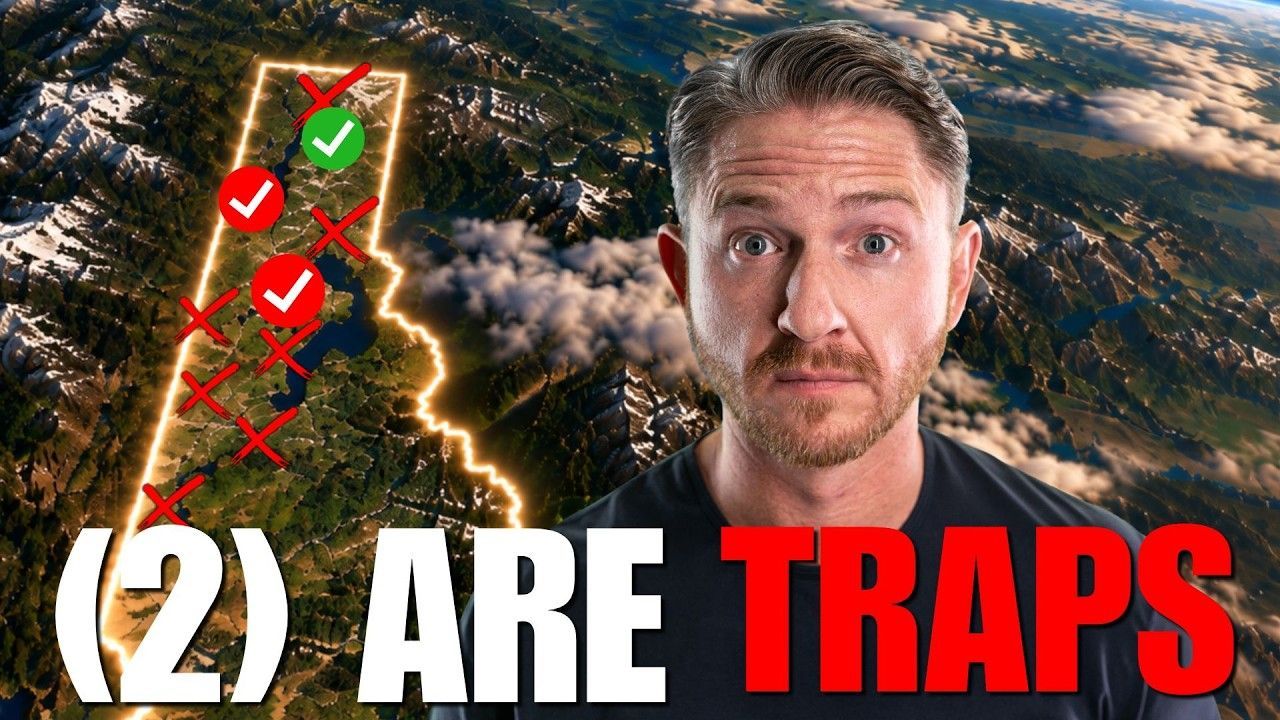
Then July hits and they're sitting in traffic in the town they moved to escape traffic.
By Trent Grandstaff • September 17, 2026
Thinking about moving to North Idaho? Compare Coeur d'Alene, Sandpoint, and Hayden for lifestyle, convenience, isolation, and real estate.
It's owned by the state, not by you, not by the guy upstream, not by anybody whose land
By Trent Grandstaff • September 10, 2026
Buying Idaho land? Water rights, access, buildability, wildfire insurance, and hidden rules can cost you everything. Here's what to check before you sign.
inside it can be as small as 1,500 square feet.
By Trent Grandstaff • August 27, 2026
See how Idaho’s 2026 housing laws impact ADUs, short-term rentals, squatter removal, and property rights for North Idaho homeowners.