
The 4 Best Types of Land to Build On in Idaho (And 1 You Should Avoid)
If you've been researching land in Idaho, whether you're looking in Coeur d'Alene, Saint Maries, or anywhere across North Idaho, you already know there are a lot of moving parts. Utilities, soil, slope, zoning, easements. It's not just about finding a pretty piece of dirt and dropping a house on it.
In this blog, I'm breaking down the four best types of properties to buy if you're planning to build, plus the one type you should absolutely stay away from. I'm going to cover a lot, but this isn't everything. Keep watching videos, keep learning, and most importantly, work with somebody who actually knows land. A lot of realtors think selling land is easy. It can be, but it can also land you in hot water if your agent doesn't know what they're doing. I'm not saying you have to work with us, just make sure you work with someone knowledgeable.
Table of Contents
Land with Existing Infrastructure
The first type of property you want to look at is land where infrastructure is already in place. I'm talking utilities and roadways. Power, water, septic or sewer, and a drivable road that connects you to the rest of the world.
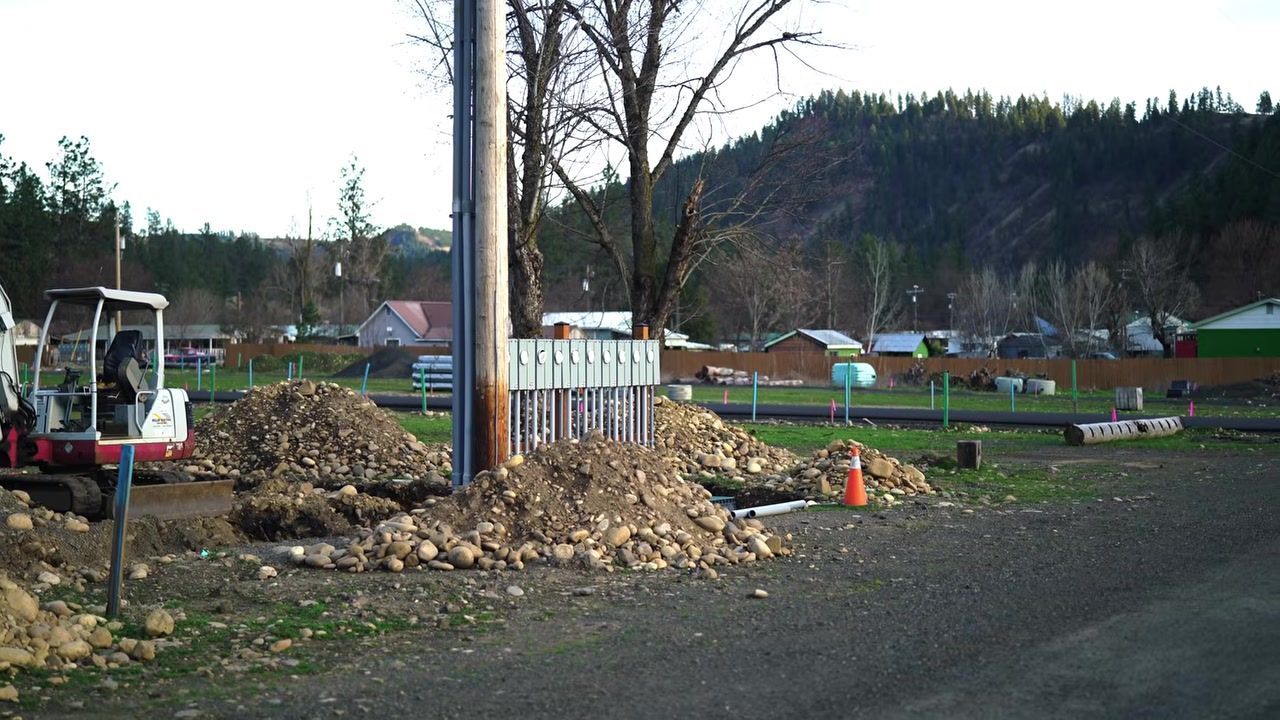
Why does this matter? It can save you tens of thousands of dollars. Buying raw land and doing all the infrastructure yourself is one of the riskier things you can do, because it's all an estimate. Nobody can tell you for sure how much it's going to cost. They might know an estimate of where the water table is, but until they drill, they don't know for sure. Power companies are going to give you a range depending on how far the nearest line is. Building a road? Costs are fluctuating. This tariff war is probably going to disrupt quite a bit. We just don't know what things are going to cost.
So when you buy raw land and you're planning on doing all of that, you might win out really big, or you might end up losing. And it can put people in a position where they no longer have the budget to build the house they wanted.
Some people think, "Well, I just improved the raw land. I can sell it and make a profit." Not always. It's going to depend on where it is and how desirable that land is. The saying is one man's trash is another man's treasure, but one man's treasure might be another man's trash. That piece of property might have been perfect for you, but other buyers who are capable of buying it from you might not think so.
Make sure whatever you're going to be looking at to build, you can take that hit if it ends up costing more to put in the infrastructure. But ultimately, it's better to find property that already has it in place.
And here's the kicker: without that infrastructure, you might not get a permit to build. They're going to ask, is there a road going out there? Do you have a water source? Where's your power coming from? You're going to have to check all of these boxes before they give you a permit to build, depending on where you're trying to build. So you can be on the hook with the city until you actually get it put in place. And if you can't, you're just going to be stuck.
Some people think, "I'll just wait until the city starts to develop or another developer starts building around me." That might never happen. It might take years and years and years before that happens. In the meantime, you're losing money on property taxes and land that really isn't usable. It's not a great investment. It's extremely risky. That's why I say always look for property that already has existing infrastructure.
Gentle Slope and Good Soil
The next best type of land you can buy to build on is land that has a gentle slope and good soil. You will end up spending a fortune on excavation if you try to build on land that doesn't have good soil or has a steep slope.
When it comes to building, the saying is: if it's steep, it ain't cheap. You're talking about needing crews to do excavation, build retaining walls, put in pillars to be able to build your house on. It is going to get really expensive.
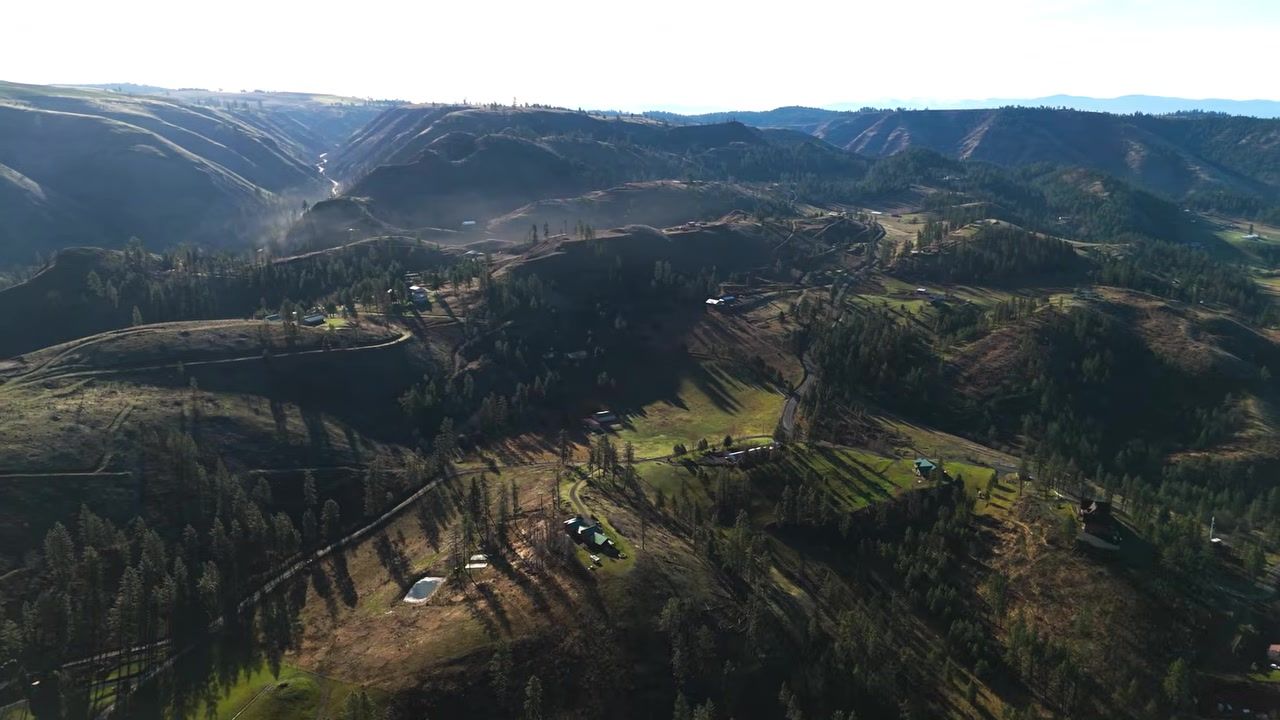
A lot of people will find that $100,000 lot and think, "Oh man, this totally fits within our budget." But if they didn't plan on the excavation and engineering, that $100,000 lot might end up costing you $200,000 so you can develop on it.
Now, this property I'm at today does have a bit of a slope, but the reason why it's not that big of a deal is you have a road right there and you have an alleyway right up top. So to be able to excavate and build, yes, there's going to be some costs, but it's not like you're way out in the middle of nowhere building on a slope that's too steep.
The other issue you're going to come across is the engineering and foundational price is going to skyrocket. When you're on a really steep slope, they can't just put in a slab and a standard foundation. It has to be specially built to accommodate for that steep slope. And then when you have a lot of water from rain, if it's too steep of a slope, all that water is going to come down into your foundation if it's not built properly and the engineering was not done well. There's all kinds of issues that can come from it.
I always recommend, unless you have plenty of money and you're building on a lake where there's just no options, stay away from steep slopes and areas that do not have good soil. You're going to deal with flooding, you're going to deal with landslides. Landslides aren't super common up here, but they do happen. In order to save that money, just find a gentle slope or something that's completely flat and has really great soil.
South or West-Facing Properties
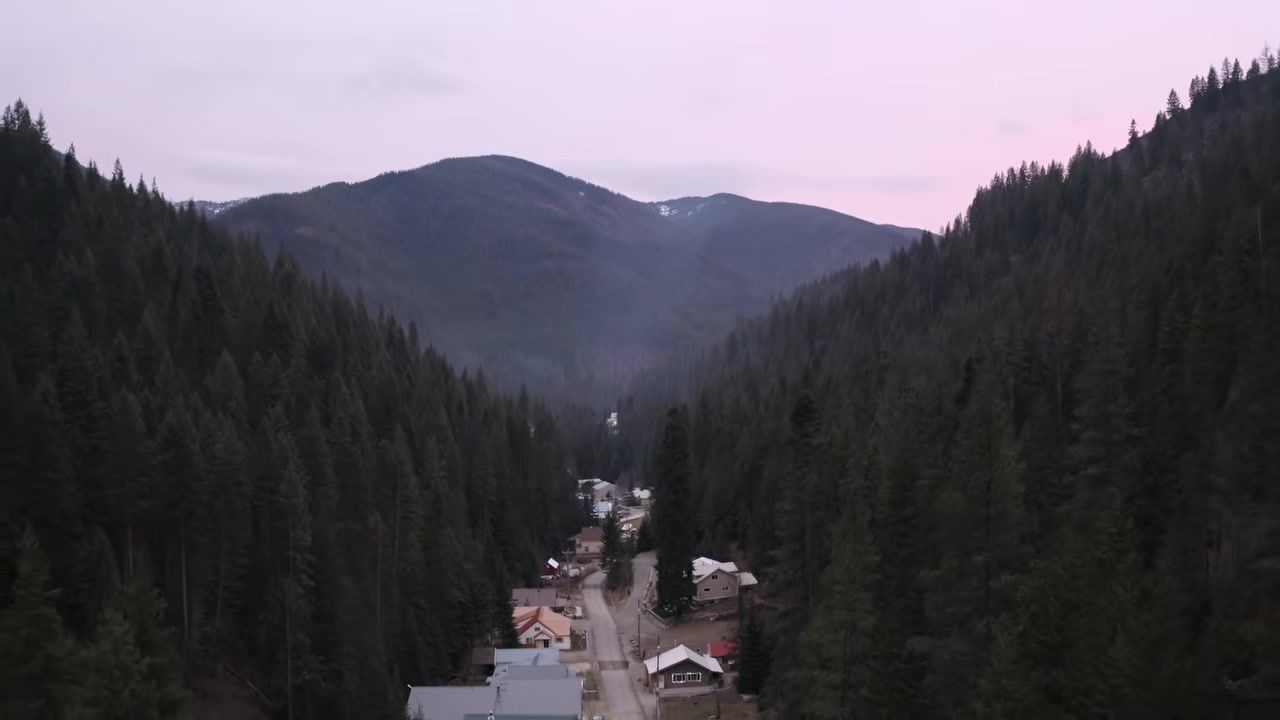
The next type of property to look at building on are properties that are south or west-facing. This can be a really big deal, and I'll tell you why.
If you've never lived in the mountains, if you're not facing south or west, you are not going to get the same amount of sunlight. You're going to feel like you're enclosed by the mountains, surrounded by the hills, and that doesn't feel good after a while.
But the big issue is you are going to have snow. You're going to be covered in snow a lot longer. You're not going to get that sunshine, and so your energy bill is going to go through the roof. That can really be a bummer if you're trying to live on the cheaper side as the costs continue to rise.
You also have the issue with vitamin D, which is a huge problem up here. There's a ton of people that are vitamin D deficient, and that can lower your immune system. It can cause mental health issues. So when you're living in a place where you just don't get as much sunshine because you're not south or west-facing, you're going to probably experience that more than others. It's not a big deal if you know how to have a good diet and make sure you're getting plenty of vitamin D, but it is something to consider.
The other issue that people often don't think about is if you buy a property that is not south or west-facing, the resale value is not going to be there for most people. You're not going to have as beautiful of views, and you're not going to be able to see that sunset as it goes down. That's what a lot of people want when they live up in the mountains or the hills. They want to have that beautiful view.
The money you put into your property, you might not get out, or you might not see as good of a return. I talk to a lot of people that say, "Ah, this is our last move, this is our forever home." But unfortunately, that is rarely true. As people age, it's hard to age in place when you live up in the mountains because you're not going to be close to a hospital, and you're not going to have the luxury of having flat ground to walk on.
Always plan when you're buying a house, treat it like an investment and know that you might someday have to sell it. It costs money to sell a house, at least for now. They're trying to change that, but it still costs money to sell a house. Make sure that you are being wise with your money and you're taking all of these factors into consideration.
No HOA or Limited CC&Rs
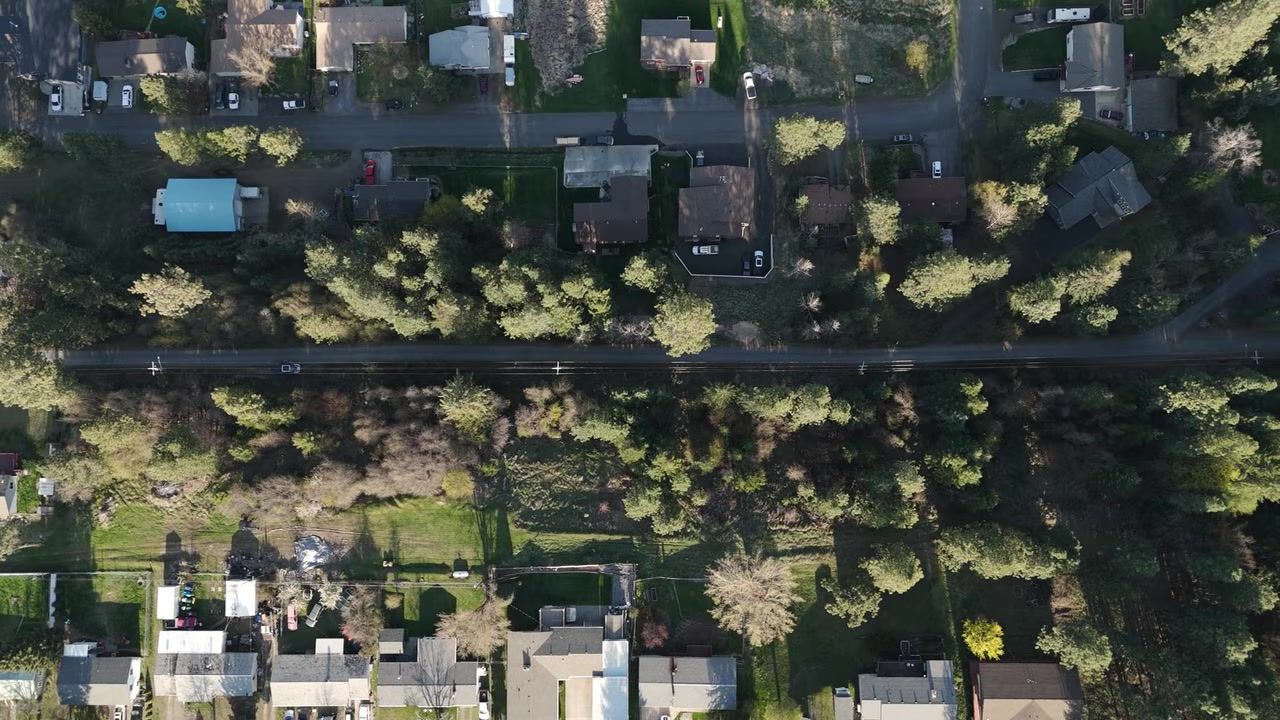
The next property you want to look at to be able to build on is a property with no HOA and no CC&Rs, or very limited CC&Rs. The property I'm at right now, what I really love about it, it has very limited CC&Rs, and that's just part of life here in St. Maries.
The reason it's great: nobody can tell you what to do. If you've ever lived in a restrictive HOA, you know that stuff gets really old really fast because you just have a whole bunch of people that don't pay your property taxes or your mortgage telling you what you can do with that property. That is not always fun.
The other issue you can come across is if you buy a piece of property in an HOA or with CC&Rs and you didn't read that they have special restrictions on the type of house you built, your plans for a barndominium or shop home are now out the window unless you can come up with $100,000 to do the stone finish and have the type of pitch on the roof that they require.
That's fairly rare here in North Idaho, but it can happen. So if you are looking at buying and building, try to stay away from restrictive CC&Rs and HOAs. We always make sure that we research those for our clients, but you still need to do the research yourself to verify that you can do exactly what you want with your property.
Don't get stuck in a zoning trap where it's a rural piece of property that's zoned for agriculture, timber, recreational and think, "Oh well, I can just build whatever I want out here." That is not always true. Sometimes you have restrictions that don't allow you to build a full-time residential house, or they have other really strong restrictions in place. If you don't get land that has already been zoned residential with really clear pathways on how to build and what you can build, you can end up being in a legal battle every step of the way. That can cost a lot of time and money and ultimately make it a very, very frustrating process.
Properties to Avoid: Landlocked Adjacent Land
There are several properties that should be avoided. We don't have time to go over all of those in this video, but if you want to know what those properties are, just reach out to us at the phone number or email address listed below. We'll gladly get you connected to one of our agents that can go through those.
But the property that rarely gets talked about is the property that borders landlocked property.
In Idaho, you can't legally keep somebody from their property just because they don't have access. As long as there is necessity, the state will grant them easement, and that easement might go right across your field. It might go across your driveway. It might mean that they use your driveway. So your privacy and the freedom to do what you want with your property just went out the window.
That doesn't sound all that bad, except for the fact that depending on the type of neighbor you have, he might go, "Hey, you know what? I know that this is the most convenient way, but I actually would rather go this way because it's a lot faster. I'm just gonna cut through your field." You might be dragged into a court process. You might have to spend money to defend your property from being ripped up and used by some jerkface.
There is actually a court case in our continuing education class that talked about this exact scenario. It happens more often than you think. Remember, just because you're not that crappy Californian that is moving up here, you might end up living next to one. And some of those people love to sue. I say just avoid that entire situation altogether and you're going to enjoy your time here in Idaho a lot more.
The other issue that can come up from this that very few people think about is this could massively affect your ability to build a house, get a mortgage, or sell the property. When a title has an issue and it's being dragged into court because there's going to be an easement established and we don't know where that easement is, that title is now in flux essentially. There's some big unknowns. That easement is granted and all of a sudden it's going across your field or using your driveway or whatever it is. That could affect the property value for the next person.
Again, another reason you just want to stay away from any property that has landlocked property without an easement that has already been established. That's important. You're going to come across properties where there's landlocked properties there, but as long as the easement has already been granted, it's not being contested, and you talk with that neighbor and they have no inclination to change the way they access their property, you're probably going to be in good shape.
Which Type of Land Is Right for You?
If you're weighing these four property types, here's how I'd think about it. Choose land with existing infrastructure if you want certainty on your budget and timeline. You're not gambling on well depth or power line distance, and you can get a permit without fighting city hall.
Choose gentle slope and good soil if you want to keep excavation and foundation costs under control. Flat or gently sloping land with solid soil means you're not pouring money into retaining walls or specialty engineering before you even break ground on the house.
Choose south or west-facing property if energy costs, sunlight, and resale value matter to you. You'll get more sun, less snow on your driveway, and a better view. When it's time to sell, buyers will pay for that.
Choose no HOA or limited CC&Rs if you want freedom to build what you want. Barndominiums, shop homes, RV parking, whatever your vision is, you don't want someone else's architectural review board killing it.
And avoid property that borders landlocked land unless the easement is already established, recorded, and not being contested. The risk of a court battle, a neighbor cutting through your field, or a clouded title that kills your mortgage is just not worth it.
Conclusion
Buying land in Idaho to build on is one of the most exciting things you can do, but it's also one of the easiest ways to lose money if you don't know what you're doing. Infrastructure, slope, sun exposure, zoning, and easements, these aren't just nice-to-haves. They're the difference between a smooth build and a financial nightmare.
If you're serious about buying a piece of property here in Idaho to build a house on, or you want to get a piece of property that already has an existing house on it and you need a professional to walk you through all of the steps and make sure you're not falling into some of the missteps, reach out to us at 208-907-5757, we're here, to make sure that people have a great experience getting moved to Idaho. That they move here happy people and they help spread that happiness, because happy people make it a happier place to live.
FAQ
What is the biggest mistake people make when buying land in Idaho?
Buying raw land without budgeting for infrastructure. People see a cheap lot and think they're saving money, but then they get hit with $50,000 to $100,000 in costs for power, water, septic, and road access. Always look for land where utilities are already in place, or at least get firm quotes before you close.
Why does slope matter so much when building?
Steep slopes require expensive excavation, retaining walls, and specialty foundation work. A $100,000 lot can turn into a $200,000 lot once you factor in the engineering and site prep. If it's steep, it ain't cheap. Stick with gentle slopes or flat land unless you have a big budget.
What does south or west-facing property do for me?
You get more sunlight, which means lower energy bills, less snow on your driveway, and better views. In the mountains, north-facing lots stay cold and dark longer. That affects your heating costs, your mood, and your resale value. Buyers pay more for sun and sunset views.
Can I build whatever I want on land with no HOA?
Not always. Even without an HOA, you still have to deal with zoning. If the land is zoned for agriculture, timber, or recreation, you might not be able to build a full-time residential house without a fight. Always verify zoning and CC&Rs before you buy.
What happens if I buy land next to a landlocked property?
In Idaho, if someone's property is landlocked, the state can grant them an easement across your land to access theirs. That easement might go through your field, your driveway, or wherever is deemed necessary. You could end up in court, lose privacy, and see your property value drop. Avoid it unless the easement is already established and not being contested.
How do I know if a piece of land is a good investment?
Treat it like you're going to sell it someday, even if you think it's your forever home. Check infrastructure, slope, sun exposure, zoning, and easements. Work with an agent who knows land, not just houses. And always budget for the worst-case scenario on development costs.
Recent Posts