
Living In Sandpoint Idaho - What The Locals Need You To Know
The mountains are right out the back door. You can paddleboard after work, meet your kids for a late-night swim, and still make it home before the light fades. That part of Sandpoint is real, and it's exactly what people picture when they search for a mountain town with lake access and trails everywhere. But Sandpoint is not Mayberry. Crime happens here. Generational farms are being sold off and developed. Longtime businesses are closing because someone bought the building and tripled the rent. The stoplights have moved, streets changed direction, and what worked last year doesn't work this year.
I sat down with Marsha O'Delliette, owner of Northwest Handmade Furniture Gallery and a lifelong Sandpoint resident, to get the truth about what it's really like to live here. She's raised her family here, built multiple businesses here, and watched this town change faster than the infrastructure can keep up. This is not a promotional tour. This is the honest conversation about growth, struggle, seasonal income, and what it takes to make it in a small town that's no longer small.
If you're thinking about relocating to Sandpoint or just want to understand what life is actually like beyond the scenery, this is the perspective you won't find in a brochure.
Table of Contents
- Sandpoint: Natural Beauty, Real Struggle, and a Community That Looks After Its Own
- The Reality of Being a Business Owner in a Seasonal Economy
- What Newcomers Need to Understand About Small-Town Accountability
- Why Young People Leave and What That Means for the Future
- Sandpoint's Outdoor Lifestyle: Easy Access to Mountains, Lake, and Trails
- Conclusion
Sandpoint: Natural Beauty, Real Struggle, and a Community That Looks After Its Own
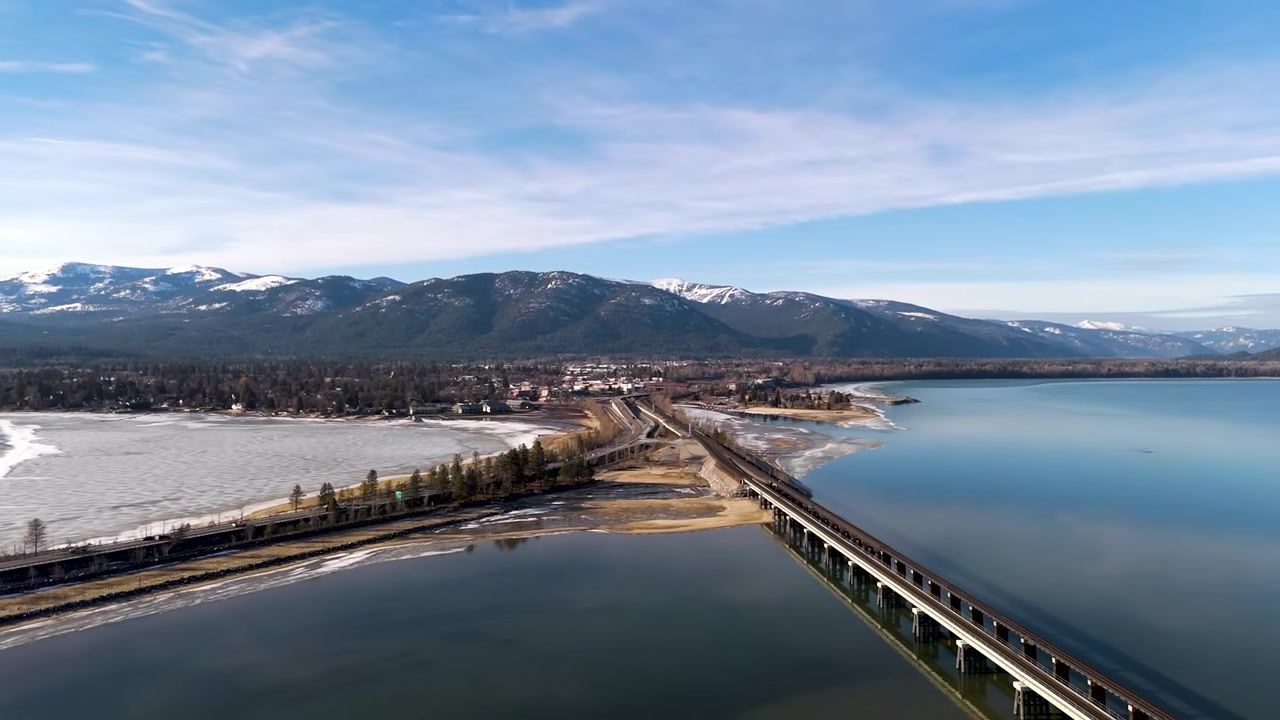
The best part of living in Sandpoint is the environment. That's what Marsha said first, and it's what keeps people here even when the struggle gets real. The mountains, the lake, the trails, the pure and authentic small-town character, it's all here. You can blow up your paddleboards in the back, meet your kids after work, and be on the water in minutes. The access to outdoor recreation is immediate. No long drive, no packing snacks for a day trip. The mountains are right there.
But the hardest part is adjusting to the changes. Sandpoint is growing fast, and the infrastructure is struggling to keep up. Stoplights have been moved. Streets that used to go one way now go two ways. Marsha still catches herself taking the route she used to take 30 years ago, forgetting that the street changed direction. It's like moving to a new place all the time, even though you're staying right where you are.
The growth is affecting everyone who's been here for generations. Longtime businesses are closing because someone with money bought the building and tripled the rent. Business owners are making decisions about whether to sell their house and everything in it just to stay open, or close the doors and hope the next person can make it work. Generational farms are being sold off because the children don't want them, and those fields are being developed into homes. That's just the way it is, but it's hard to watch places you walked into as a little girl holding your mom's hand disappear.
Sandpoint is not Mayberry. Crime happens. This is a border state, and you need to lock your doors. People think they can move here and no longer worry about where their kids are or what they're doing, but that's not reality. You still need to be prepared. You still need to know your neighbors and build relationships, because this is a community that looks after each other. Old school values where neighbors know your kids and will call you out if they see something. Some people will call and thank you for that. Others will call and want to have coffee about it. Either way, you're going to have uncomfortable conversations, because that's what real community looks like.
The People Moving Here
Most of the people moving to Sandpoint are like-minded. They made it here from somewhere they no longer wanted to be, and the community celebrates that. They want the same things longtime locals want: access to nature, a tight-knit community, a place to raise their kids. But it's only natural for some people to fall back into a comfort zone of what was normal for them before. They come from cities where you don't talk to your neighbors, where you don't have relationships. Here, you have relationships. You're going to be hanging out with my children, so you've got to be good.
If you want this place to stay the way it is, you have to be willing to work for that. You have to value it the way the buyers who've been here for generations value it. Don't come here thinking it's a permanent vacation spot. People live here. This is their home, their generational living. They've watched their families die and newborns come in. Respect that. Appreciate it. And if you don't want this place to turn into the place you just left, be willing to have those uncomfortable conversations.
The Reality of Being a Business Owner in a Seasonal Economy
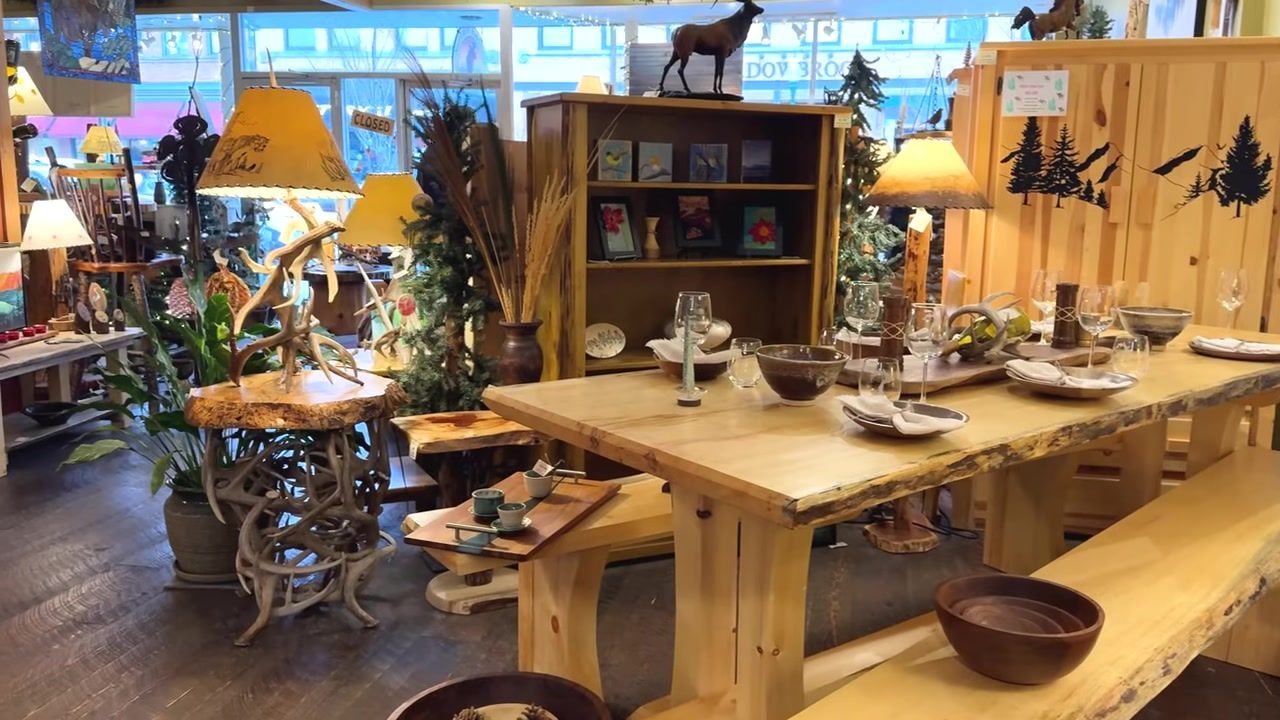
Marsha owns Northwest Handmade Furniture Gallery and has owned other businesses in Sandpoint for decades. She took over the furniture gallery three years ago from a family who wanted to keep it residential, and she was chosen for that. But being a business owner in a small town is a struggle. That word comes up a lot, and it's not a negative thing. Struggle is what makes you strong. Struggle is what makes you successful.
Sandpoint has seasons, and some seasons are better than others. You have to prepare for the lean times. You have to adapt. That's true for anywhere you live in North Idaho, but it's especially true in a town like Sandpoint where the economy is seasonal and the opportunities are limited. If something isn't working, you have to imagine and make new things happen. You have to find new ways to bring people in and make sure they enjoy the time they're having when they're with you. That's important for the next generation, because this is where character and integrity are built. This is what we stand for, and we need to continue to stand strong.
But the rapid changes mean what worked last year doesn't work this year. The community is trying to get together and figure out how to prepare for next year, but it's hard when the pace of growth is this fast. Real estate costs are forcing out established businesses. People who can financially come in and buy your building can triple the rent, and you're left making impossible decisions. That's one thing Marsha doesn't like about the growth. It's pushing out the businesses that have been here for generations, the places that give Sandpoint its character.
What Newcomers Need to Understand About Small-Town Accountability
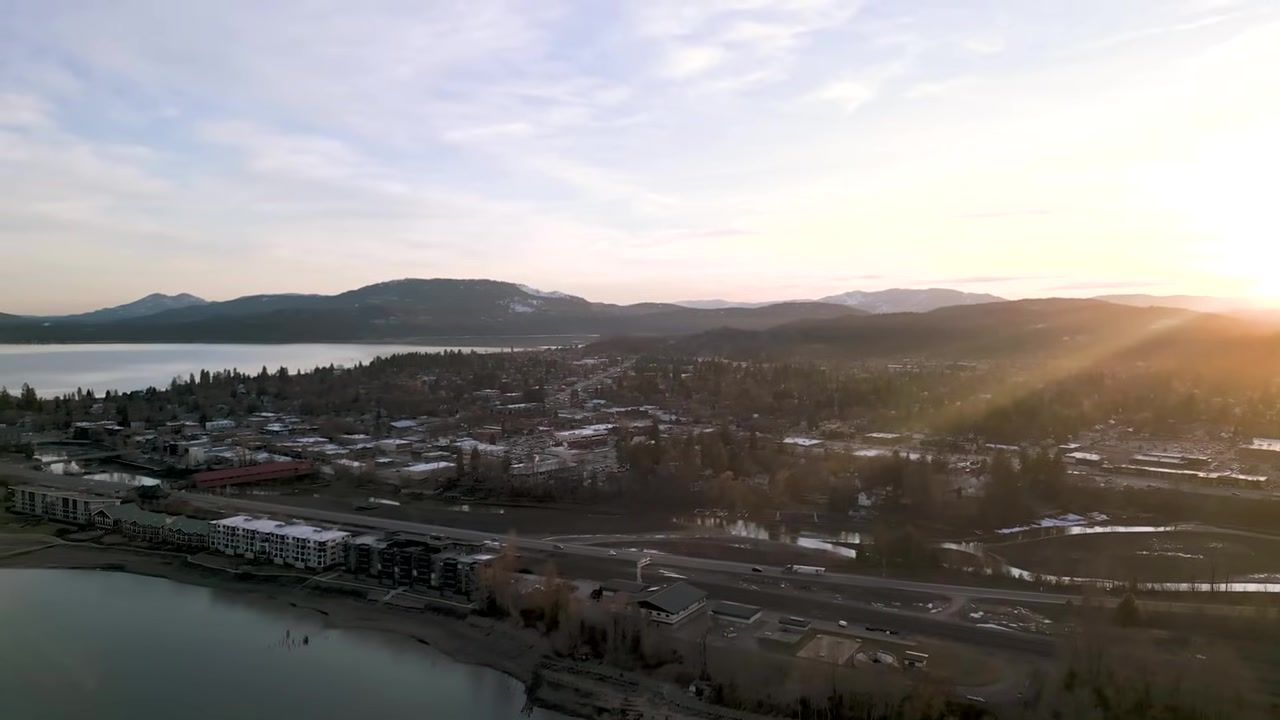
If you're moving to Sandpoint, know that you're not moving to Mayberry. Crime happens. We're a border state. Lock your doors. Make sure you know where your children are going and what they're doing. Don't come here thinking you can let your guard down completely. Be prepared, and if you have income from somewhere else, make sure you're stocked up. There are expenses that are going to come in that are going to be different.
Be good to the community you're moving into, because they're the ones that are going to help you, take care of you, and help you raise your children. I know people don't like the idea of someone else telling them what their children should do, but we do. We look after you and your children, and we are old school. Hey, aren't you so-and-so's kid? What are you doing over here? Does your mom know where you are? We are that community.
There are people who will call and thank you for calling out their kid. There are people who will call and want to have coffee about it. Be willing to be open to building those relationships, because we will help you, we will celebrate you, and you're going to be part of this community whether you like it or not. A lot of people like the word community. They like the idea of it. It's kind of like family, you always love the idea of family if you don't have one, but then when you're in one, there's some discomfort, there's some struggle. That's what makes a community good. You have to deal with the bad and the good.
People need to understand you are not on permanent vacation. People live here. This is our community, our homes, our generational living. We've grown up, we've watched our families die and newborns come in. Respect that and appreciate it. And if you want that, if you don't want this place to turn into the place you just left, this is what it takes. You have to sometimes have uncomfortable conversations. That's part of being accountable to a community that looks after each other.
Why Young People Leave and What That Means for the Future
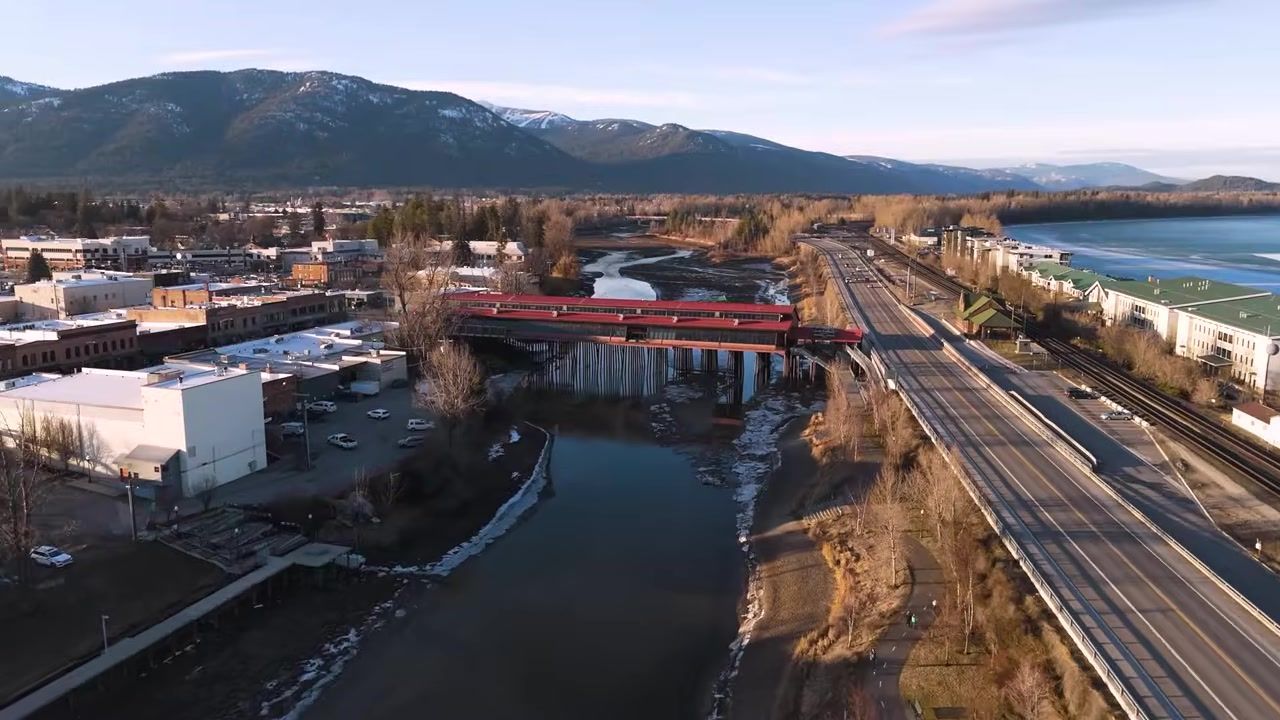
The hardest part for someone who's born in Sandpoint and goes through their youth here is knowing they have to move away and get an education and do something completely different in order to come back and actually make it. That's the reality. Families are no longer sticking it out and staying together and working towards one another. We are encouraging our children to leave. If you want to come back here and have a life and raise your children, you're going to have to go and make it somewhere else in order to make it here. Because what's coming here is pushing our children away.
The only way to look at that is to get them set up for success, and it's probably not going to be at home. The opportunities here are not the same as they are somewhere else. Marsha may have a family-owned and operated business, but her dream is for her children to be here. In reality, they're not going to want to do everything that mom wants. That's the same thing that's happening with the farms. They're being sold off because the children don't want them, and those fields are being developed into homes. It's just the way it is. It's part of life.
There's always been hope that one day the kids won't have to leave, that they can just build something here and make it work. But the reality is that the opportunities here are limited. If you don't already have all the money piled up, or if you don't have remote income, finding a way to make a living in Sandpoint is tough. The seasonal economy means you have to prepare for lean times, and the rapid growth means the cost of living is climbing faster than local wages. That's why young people leave. And that's why Marsha went away, got an education, did other things, and then came back. Because this is where her home and her family are. This is where her roots are, and there is no other place like it.
Sandpoint's Outdoor Lifestyle: Easy Access to Mountains, Lake, and Trails
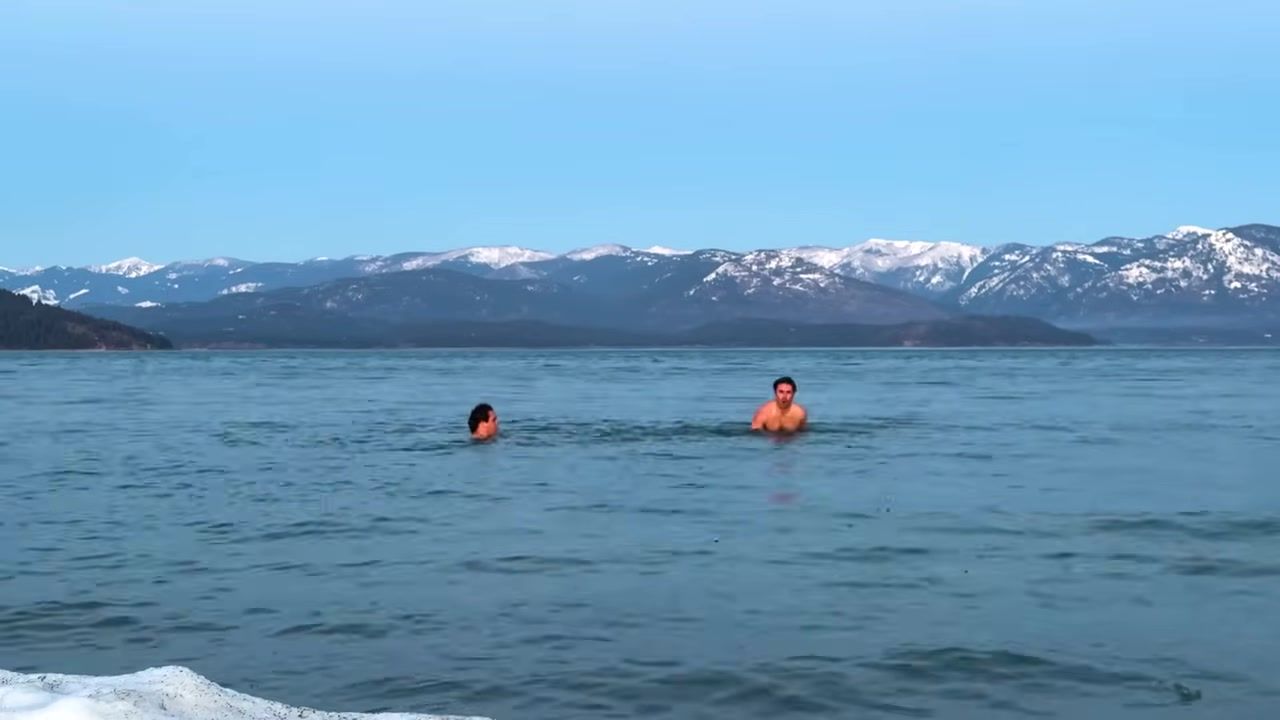
Marsha's favorite thing to do in Sandpoint is anything outdoors. In the summer, they blow up all the paddleboards in the back. Sometimes she works late, and the light is still out, so she works later. But her children will meet her after work several times a week, and they just drop in and go paddleboarding. Having the ability to just have it all right here, getting picked up at one of the other businesses by her children and saying, hey, we're going swimming at 10 o'clock at night, it's right there. You don't have this long trip that you need to make or snacks to pack. The mountains are just right out the back door. There are trails everywhere.
That's what she loves. The easy access to nature. The ability to finish work and be on the water or in the mountains in minutes. That's what keeps people here even when the struggle is real. The environment, the scenery, the purity of this town. It's all here, and it's immediate. You don't have to plan a weekend trip or drive an hour to get to a trailhead. You just go.
Winter lake plunges are a local activity. Marsha started doing them in 2020, and it changed her life. She now has a cold plunge in her garage, a sauna, and does Wim Hof breathwork all the time. Not everybody here is a hippie, but there's a strong outdoor recreation culture year-round. People embrace discomfort so they can be comfortable during uncomfortable times. That's a good way to put it. But at the same time, not everybody's going to do things like that. You have to be open to that. The community is diverse in how people take care of themselves and what they value, but the access to nature is something everyone shares.
Conclusion
Marsha's greatest hope for Sandpoint is that it stays as pure as it possibly can with the growth. She thinks it has the potential to do that if you have people who are willing to work for it. The town needs to beautify and meet the infrastructure demands from all the tourists, but at the same time, people need to value it. If everybody can value it the way the buyers who've been here for generations value it, they too will try to protect it. If it can stay as cute and sweet as it has in the past, it will continue to provide for those who come. Just don't abuse it.
That's the message. Get here and start living life. Stop trying to survive. You don't need to fix everything. Take a breather. Go get in the lake in the wintertime. It will wake you up. Embrace the discomfort, build the relationships, and be willing to have the uncomfortable conversations. That's what it takes to make it in Sandpoint. That's what it takes to be part of a community that looks after each other.
If you're serious about relocating to Sandpoint or anywhere in North Idaho, reach out to me and my team. We'll give you the whole truth about what it's like living here, not just the brochure version. We want people to really know what it's like before they get here.
FAQ: Living in Sandpoint, Idaho
Is Sandpoint a safe place to live?
Sandpoint is not Mayberry. Crime happens here because it's a border state, and you need to lock your doors. The community looks after each other, but you still need to be prepared and aware. Don't come here thinking you can let your guard down completely.
What is the job market like in Sandpoint?
The opportunities in Sandpoint are limited compared to larger cities. The economy is seasonal, so business owners and employees need to prepare for lean times. Many young people leave to get an education and build a career elsewhere before coming back. If you don't have remote income or savings, finding a way to make a living here can be tough.
How has growth affected Sandpoint?
Growth is happening fast, and the infrastructure is struggling to keep up. Longtime businesses are closing because real estate costs have forced them out. Generational farms are being sold and developed. Traffic patterns have changed, with stoplights moved and streets changing direction. What worked last year doesn't work this year, and the community is constantly adapting.
What is the community like in Sandpoint?
Sandpoint is a tight-knit community with old school values. Neighbors know your kids and will call you out if they see something. You're expected to build relationships and be accountable to the people around you. Most newcomers are like-minded and celebrate making it here from somewhere they no longer wanted to be, but you have to be willing to have uncomfortable conversations and respect the generational buyers who've been here for decades.
What outdoor activities are available in Sandpoint?
Sandpoint has immediate access to mountains, lake, and trails. You can paddleboard after work, swim late at night, and hit the trails right out the back door. Winter lake plunges are a local activity. The outdoor recreation culture is strong year-round, and you don't need to plan a long trip or drive an hour to get to nature. It's all right here.
What should newcomers know before moving to Sandpoint?
Don't come here thinking it's a permanent vacation spot. People live here, and this is their home. Be good to the community, because they're the ones who will help you and raise your children alongside you. If you have income from somewhere else, make sure you're stocked up for expenses that are going to be different. Value the natural environment and the small-town character, and be willing to work to protect it. And understand that you are not moving to Mayberry, this is a real community with real issues.
Recent Posts