
Living in Idaho has a very particular feel to it. It is not just the mountains, the rivers, the ranch land, or the fact that we can get outside without turning every simple plan into a paperwork project. It is the underlying expectation that capable adults can make decisions, take responsibility, and leave their neighbors alone.
That comes through in a surprising number of Idaho laws and everyday rules. From property taxes and public-land camping to bicycles, home kitchens, river access, and toll-free highways, living in Idaho means encountering fewer hoops in places where other states often add another form, fee, permit, or inspection.
None of this means rules do not exist. They do. But the Idaho approach tends to start from a different place: trust people to handle their business, then hold them accountable when they do not. That is a big reason living in Idaho appeals to families, outdoor people, entrepreneurs, ranchers, and anyone who is tired of being treated like they need a government hall monitor following them around.
Home and Community: Practical Rules for Real Life
1. Homeowner tax relief can begin when we buy
For people considering living in Idaho, the homeowner exemption is worth understanding early. As described under the current rules, once we close on a primary residence, we can apply for the homeowner exemption right away rather than waiting through the rest of the year for tax relief.
The exemption can reduce the taxable value of an owner-occupied primary residence by up to 50 percent, capped at $125,000. That is meaningful when we are budgeting for a move, a mortgage, property taxes, repairs, and everything else that comes with owning a home.
Buying a house is already expensive enough. Getting access to the homeowner exemption from day one is one of those small, practical differences that makes living in Idaho feel like the state recognizes that a primary home is not just another asset on a spreadsheet.
2. Cities cannot simply shut out starter-home subdivisions
Idaho has also moved to prevent cities from banning starter-home subdivisions. That matters because new subdivisions in the $600,000 range may be perfectly nice, but they are not realistic entry points for most first-time buyers.
The goal is straightforward: preserve room for more attainable housing options so the next generation has a chance to own a piece of Idaho without living in a childhood bedroom forever. Housing is still a challenge here, just like it is nearly everywhere else, but the policy direction recognizes that starter homes need a place in the market.
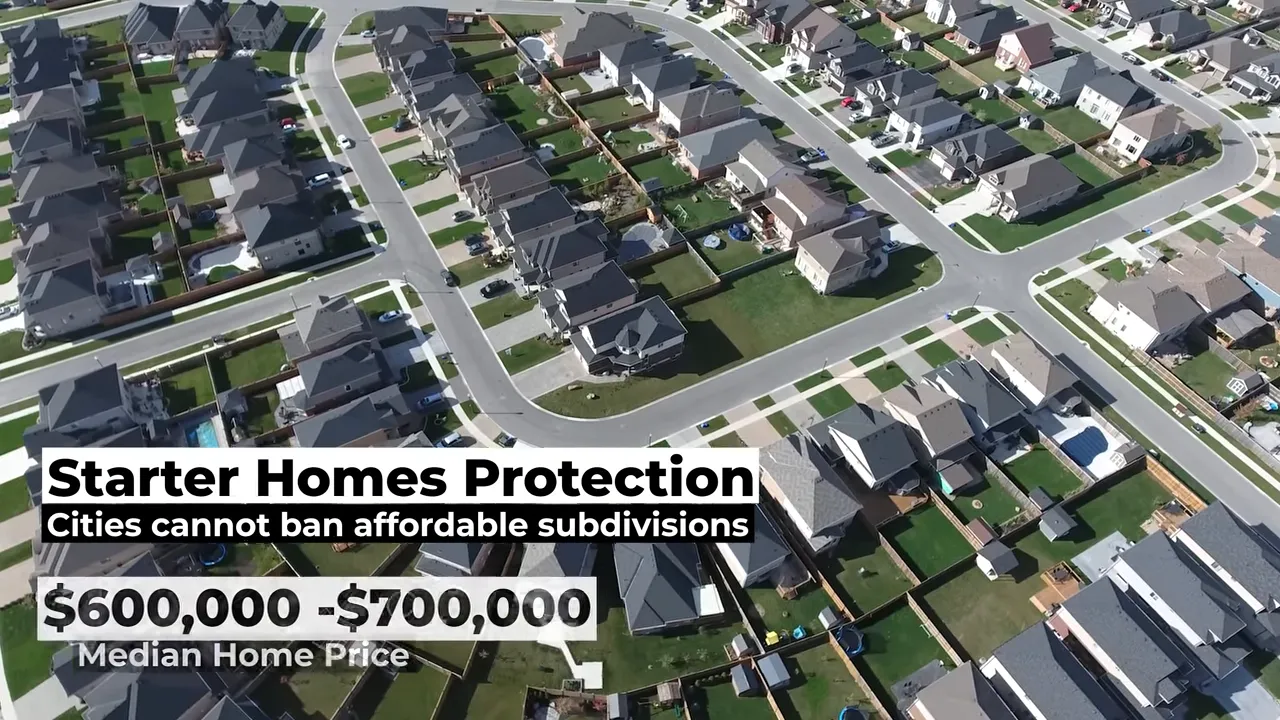
When we talk about living in Idaho, this is the kind of issue that matters beyond political talking points. A community needs young families, working people, and first-time buyers if it wants to stay a real community.
3. Open range means fence out, not fence in
In designated open-range areas, Idaho follows a fence-out approach. If we do not want a neighbor's cattle wandering into our yard, the responsibility is on us to build a fence that keeps them out.
That can sound backward to newcomers, but it is rooted in the ranching heritage that built much of the state. Before buying rural land, we need to understand whether it sits in an open-range area and what that means for fencing, livestock, and daily life. This is one of those details that makes living in Idaho different from buying in a tightly managed suburban area.
Getting Around Without Making Everything a Project
4. A UTV can be a legitimate second vehicle
In Idaho, side-by-sides and UTVs are not just weekend trail toys. With the required equipment, including a plate and mirror, they can be street legal. It is common to see RZRs and Can-Ams rolling through a small town, pulling up near a gas station, or heading toward the trail.
That makes a lot of sense when trails are only a few miles away. Instead of loading up a machine, towing it somewhere, unloading it, then doing the whole thing in reverse, we can drive there. Living in Idaho makes outdoor access feel less like a production and more like something we can do after work.
One important reality check: DUI laws still apply to UTVs, ATVs, and even horses. Freedom does not mean we get to make reckless choices on the road or trail.
5. The Idaho Stop gives cyclists more common sense flexibility
The Idaho Stop allows bicycles to treat a stop sign as a yield when it is safe to do so. Cyclists still need to yield to traffic and pedestrians, but they are not required to make a full stop at every empty intersection.
It is a small rule with a big philosophical message. We can use judgment instead of pretending every situation requires the same rigid response. When we are living in Idaho, we see that kind of common-sense approach repeatedly.
6. No registration stickers and no vehicle inspections
Vehicle registration is still required, but Idaho has done away with registration stickers on license plates. No more scraping off the old one, rubbing the plate down, carefully applying the new sticker, and hoping it does not peel away before winter.
Idaho also does not require vehicle safety inspections or emissions inspections anywhere in the state. The responsibility for maintaining a truck, car, or old farm rig stays with the owner. If we have a 30-year-old truck that still gets the job done, the state is not automatically going to make us prove it at an inspection lane.
Family and Public Land: More Choices and More Space
7. Families have broad educational freedom
Living in Idaho is especially attractive to many families because homeschooling comes with substantial autonomy. Parents are not required to register a homeschool, report it to the state, or complete mandatory state testing under the framework described here.
There are also local homeschool groups and resources, which gives families opportunities to build community instead of operating in isolation. And for families using public schools, it is possible to apply for enrollment outside the assigned district when another school is a better fit.
That does not mean every educational decision is effortless. It means parents have more room to choose the approach that works for their kids. For many people living in Idaho, that is a major part of the appeal.
8. Public land can be home for up to 14 days
Idaho has millions of acres of Bureau of Land Management and national forest land. In many eligible areas, we can find a spot, set up camp, and stay for up to 14 days without paying for a developed campsite.
That is not a license to trash the place, block access, or ignore local restrictions. We still need to confirm land-management rules, fire conditions, closures, and area-specific limits. But the basic opportunity is incredible. We can pull off, camp under the trees, fish a river, explore a trail, and enjoy the outdoors without a yearlong reservation system standing between us and the mountains.
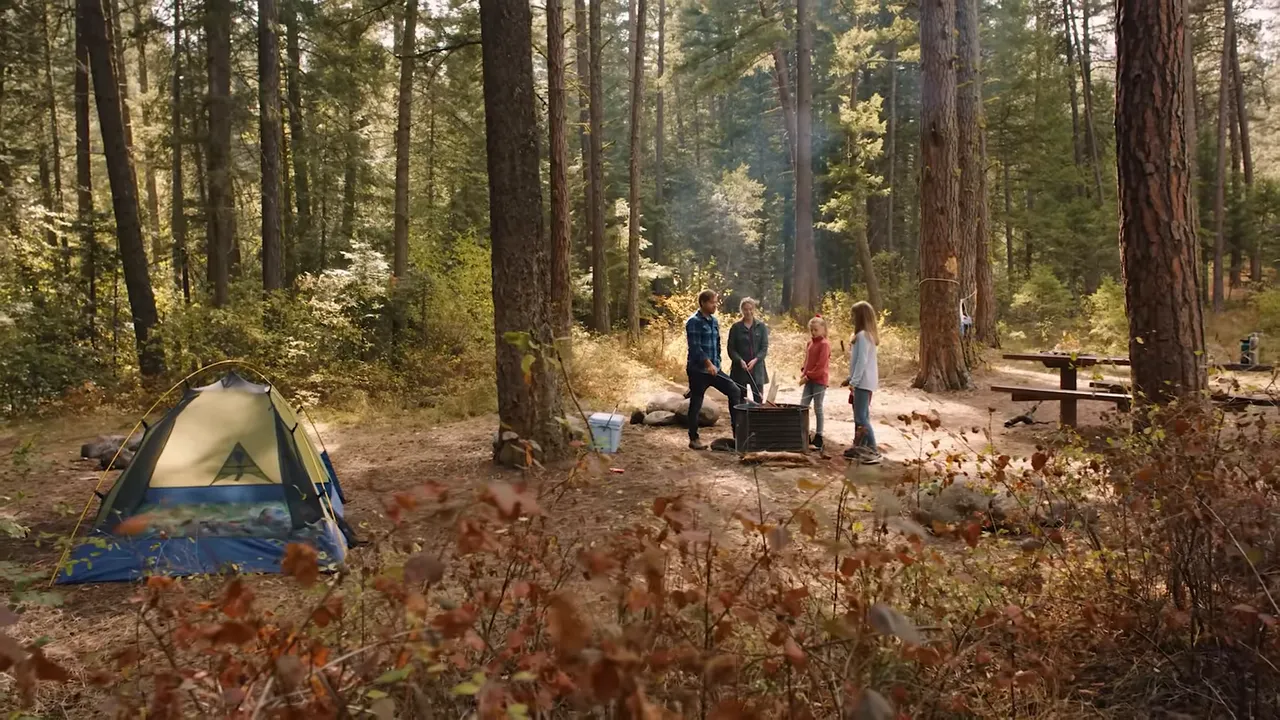
For outdoor-minded people, living in Idaho means access to open country that is still genuinely usable. That is getting harder to find.
Self Defense and Personal Choice
9. The 24-hour self-defense immunity provision
Idaho has a 24-hour self-defense immunity provision. If force is used to protect ourselves or our family, the law generally limits detention beyond 24 hours unless there is a specific warrant establishing probable cause that the force was unlawful.
The point is not that every use-of-force situation is automatically justified. The point is that people acting lawfully in defense of themselves or others are not supposed to be treated as guilty by default. Serious situations still require facts, evidence, judgment, and legal review.
10. Constitutional carry is legal, but training still matters
Idaho recognizes constitutional carry, meaning no permit, fee, or waiting period is required for lawful carry under the state framework. That does not remove the importance of training. Frankly, it makes training even more important.
Knowing how to safely handle a firearm, understanding use-of-force laws, and being prepared for a stressful moment is not optional common sense. We want the skills, the confidence, and the legal understanding before we ever need them.
11. Ammunition purchases face no extra Idaho-specific restrictions
In Idaho, ammunition can generally be purchased without a separate ammo license, ammunition background check, or state-imposed quantity limit. For people who value firearm ownership, that is another example of living in Idaho with fewer state-level barriers around lawful activity.
Of course, responsible storage and safe handling still matter. We can appreciate less red tape without pretending responsibility goes out the window.
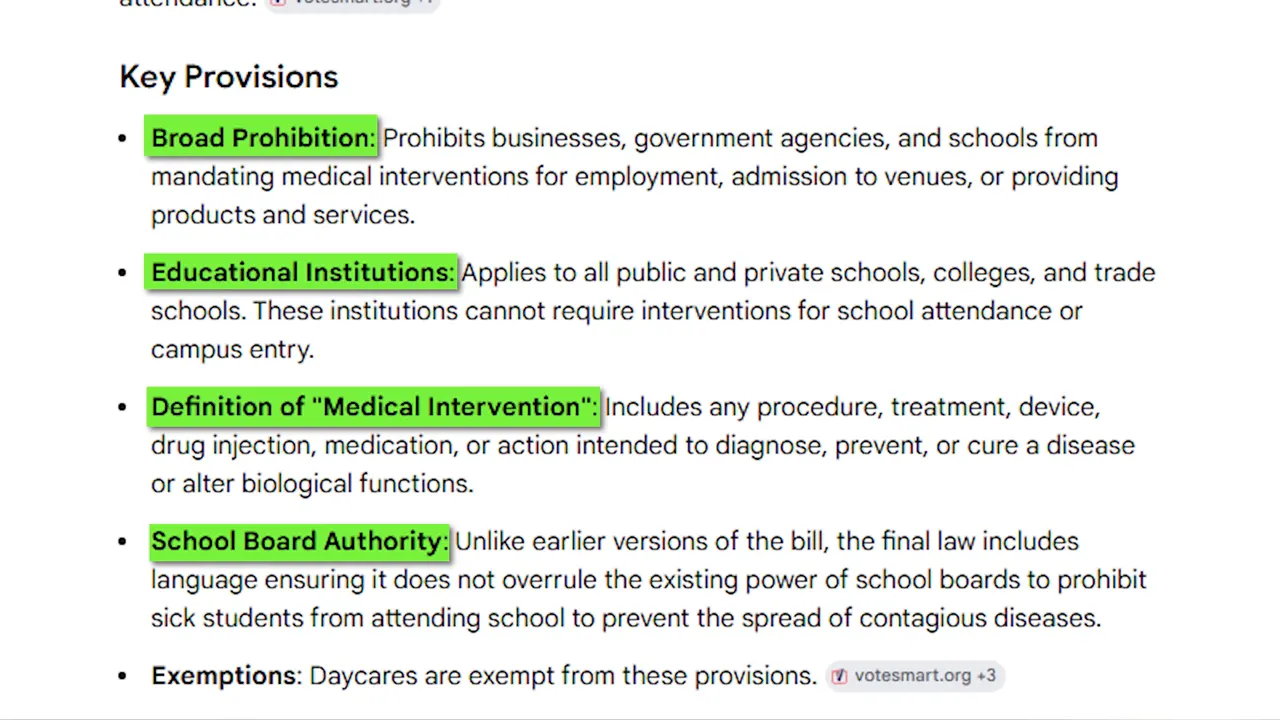
12. The Medical Freedom Act protects personal medical choice
Idaho's Medical Freedom Act is intended to prevent government entities and large institutions from mandating medical interventions. The protections described include choices involving masks and vaccines in settings such as schools, jobs, concerts, and public institutions.
The principle behind it is informed consent. Medical decisions are personal, and living in Idaho means state law places a strong emphasis on an individual's ability to make those choices.
Small Business and Everyday Entrepreneurship
13. Home food sales come with less red tape
Idaho has cut red tape for people selling certain foods from home kitchens. This is a meaningful freedom for small entrepreneurs making and selling products such as eggs, bread, sourdough starters, or similar home-produced goods.
A good product, a fair price, and a handshake still count for something here. At a time when groceries cost more and wages do not always keep pace, a home-based side hustle can make a genuine difference for a family.
For many people living in Idaho, this is not about building some giant company. It is about having room to try something useful without a mountain of bureaucracy climbing onto the kitchen counter with us.
Land Water and Roads Belong to More Than a Few People
14. Navigable rivers remain open for fishing and floating
Idaho protects public access on navigable rivers up to the ordinary high-water mark. In practical terms, if we are legally on a navigable waterway, private ownership along the bank does not automatically turn a float trip or fishing day into trespassing.
That matters because rivers are part of Idaho life. They are where we fish, float, paddle, camp, and cool off when summer shows up. Living in Idaho should not mean that a beautiful stretch of water is functionally reserved only for the wealthy people who own property beside it.
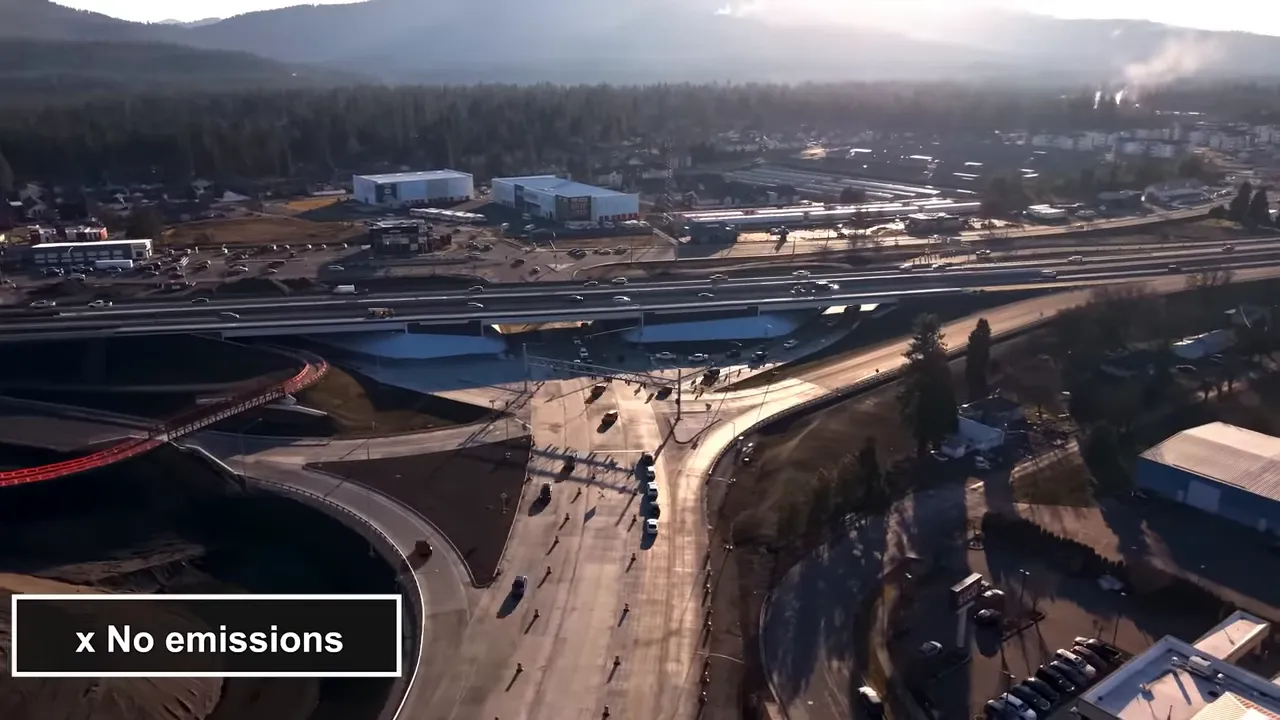
15. Idaho has no toll roads
From the Canadian border to the Nevada line, Idaho has no toll booths. Roads are funded through mechanisms such as gas taxes and registrations, not by stopping us every few miles for another toll or camera charge.
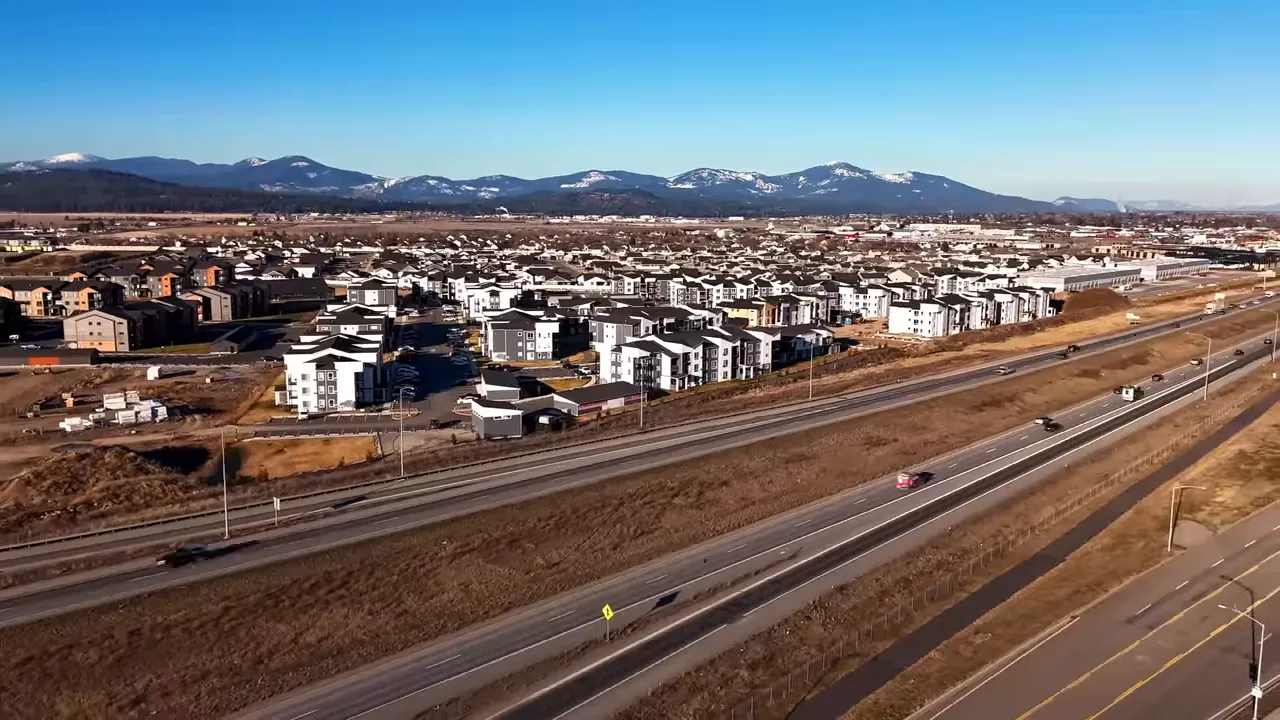
After dealing with toll roads elsewhere, coming back to Idaho feels refreshingly simple. We get in the vehicle, drive where we need to go, and do not have to wonder whether a rental car has some mystery transponder billing us later.
What Freedom Actually Means When We Are Living in Idaho
The best part of living in Idaho is not that we can do whatever we want. That is not freedom. That is just being a pain in the neck for everyone around us.
Real freedom means being responsible adults and good neighbors. We shovel our own snow. We pull people out of ditches. We maintain our own vehicles. We clean up our campsites. We respect the land, the water, and the people who live around us.
That balance is what makes living in Idaho work. The laws give us room to make choices, but the culture asks us not to be idiots about it. It is a radical concept these days, but it seems to be working just fine.
If you’re thinking about relocating but want to understand how these Idaho freedoms actually affect your situation—your property, your commute, your budget, and your plans—reach out before you make the move. Call or text me at 208-907-5757 and I’ll help you figure out what to know next.
FAQs: 15 Idaho Freedoms
Is living in Idaho a good fit for people who value personal freedom?
Living in Idaho can be a strong fit for people who value individual responsibility, outdoor access, homeschooling flexibility, fewer vehicle-related requirements, and broad personal-choice protections. It is still important to research the specific city, county, school options, and property rules that apply to the area we are considering.
Can we camp for free anywhere in Idaho for 14 days?
No. The 14-day rule applies in many eligible Bureau of Land Management and national forest areas, but each location can have its own restrictions, closures, fire rules, and stay limits. We should always check the managing agency's current regulations before setting up camp.
Are UTVs street legal throughout Idaho?
UTVs can be street legal when they meet the required equipment and registration requirements, including items such as a plate and mirror. Local restrictions may also apply, so we need to confirm the rules where we plan to drive.
Does Idaho constitutional carry mean training is unnecessary?
Absolutely not. Lawful carry and responsible carry are not the same thing. Firearms training helps us understand safe handling, legal boundaries, and decision-making in high-stress situations.
What should we research before moving to Idaho?
Before living in Idaho, we should compare communities based on housing costs, commute needs, winter conditions, school options, broadband access, public-land proximity, property taxes, and whether a rural property falls within an open-range area. A move goes much better when we choose the right part of the state the first time.
Read More: Moving to North Idaho: Rural Towns That Aren't for Everyone