
Living in Blanchard, Idaho is not the same thing it was 10, 20, or 30 years ago. This tiny unincorporated community in southern Bonner County used to be the place people went when they wanted land, privacy, and very few people telling them what they could do with either one.
No HOA. Minimal rules. Maybe a shared agreement with neighbors to fix the road when it got rough. That was about it.
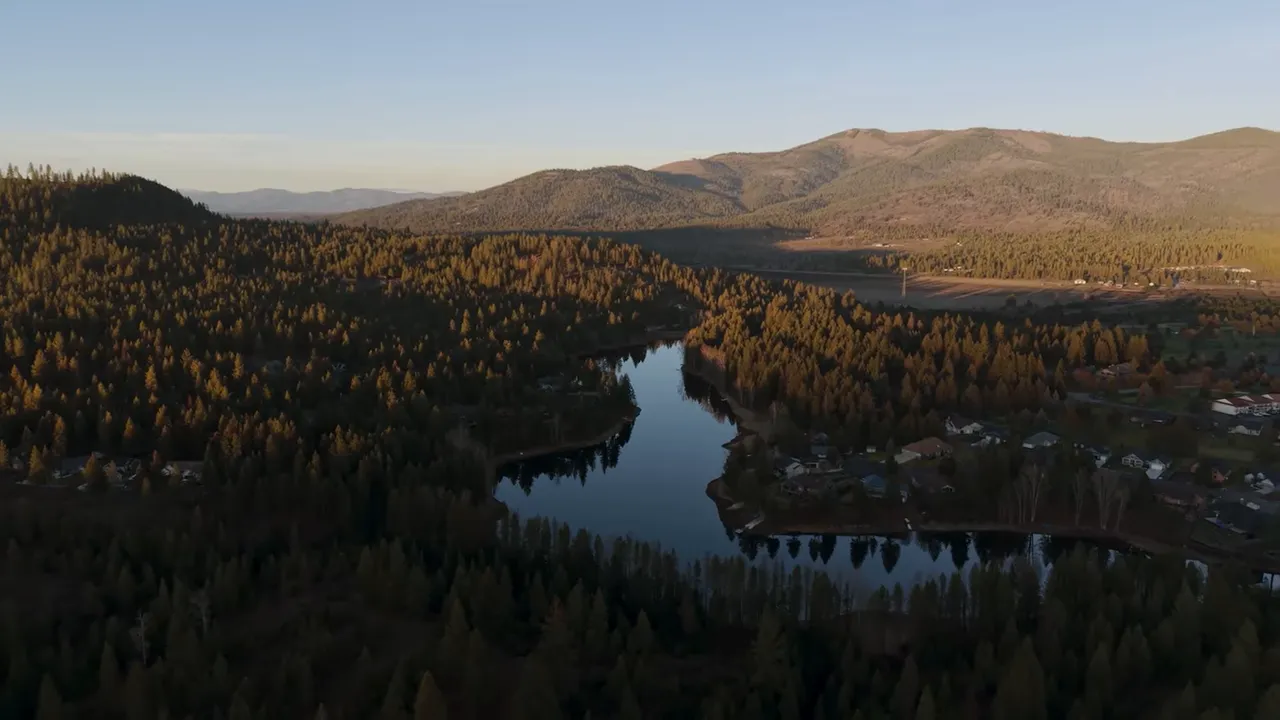
Now, living in Blanchard, Idaho can mean two very different things. It can still mean acreage, woods, wells, septic systems, wildlife, and enough space to quietly disappear. Or it can mean paved roads, golf course homes, lake-adjacent properties, and a more polished country-club-style setup around Stoneridge.
It is not becoming the next Coeur d’Alene. That would be a ridiculous thing to say. Blanchard has two small lakes and one mercantile where we can grab milk. But if we want North Idaho scenery without Coeur d’Alene density or Sandpoint prices, it deserves a serious look.
Where Is Blanchard, Idaho?
Blanchard sits just north of Spirit Lake in southern Bonner County. It is rural, and that is the point. Living in Blanchard, Idaho means accepting that we are not in town and that daily convenience requires some driving.
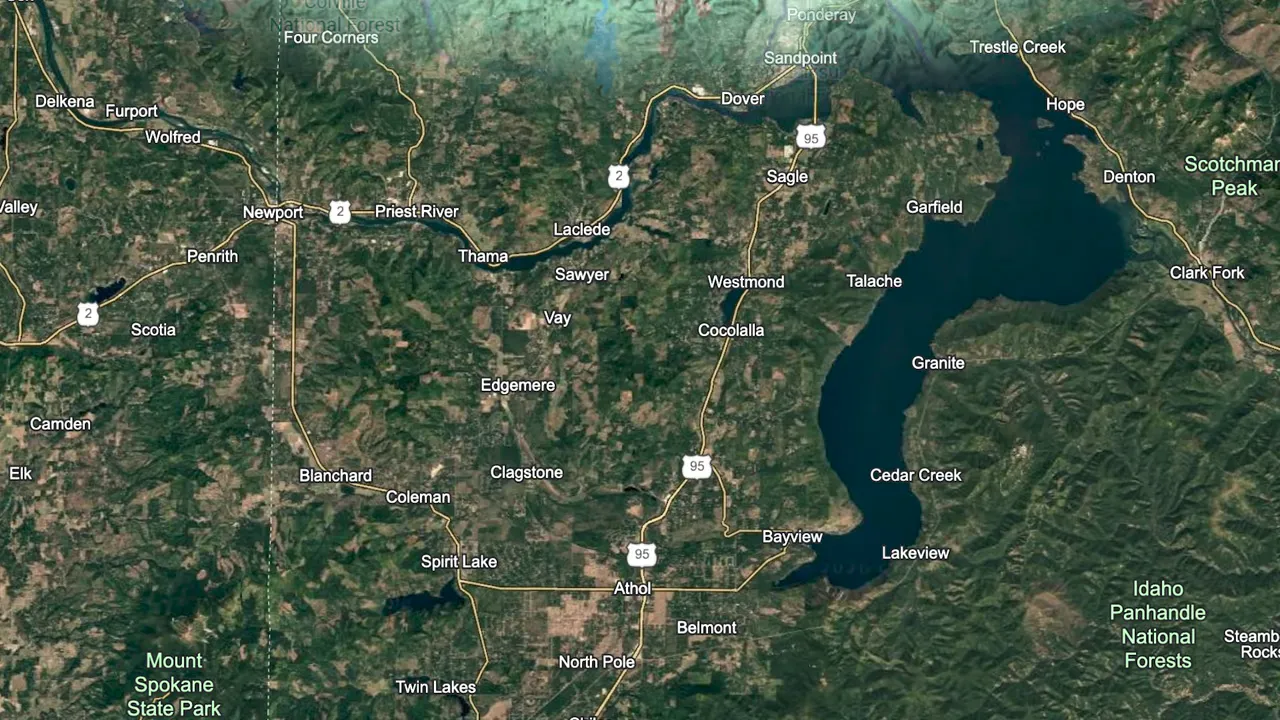
From Blanchard, we are generally about 15 to 30 minutes from Rathdrum, around 40 minutes from Coeur d’Alene, and roughly 35 to 40 minutes from Sandpoint. That makes an 80-minute round trip to Costco a normal Tuesday, not some special expedition.
The town itself is small enough that we should not expect a long list of stores, restaurants, medical services, or entertainment at our doorstep. The mercantile is handy, but it is not a full grocery store. Major errands take planning, and that is one of the first realities to understand before living in Blanchard, Idaho.
The upside is that the surrounding landscape still feels open, wooded, and distinctly North Idaho. We get room to breathe, less traffic, and a slower pace. The tradeoff is that we need to build our routines around distance.
Snow Driving and Winter Reality
Summer makes almost anywhere in North Idaho look easy. Winter is where the real test begins.
Blanchard sits in the snow belt, receiving roughly 15% to 20% more snowfall than Coeur d’Alene, with snow tending to stay on the ground longer. Highway 41 is generally maintained well, but county roads are handled when crews can get to them. Private roads are a whole different deal. Those are often our responsibility, shared with neighbors if we are lucky.
For anyone considering living in Blanchard, Idaho, four-wheel drive and real winter tires are not cute upgrades. They are part of the basic equipment package. Without them, the charm of rural life can turn into an annual struggle that does not get easier. We just get tougher, more prepared, or more frustrated.
Subdivisions near the golf course and lake typically offer paved roads and more regular maintenance. That creates a more predictable experience, but we are still in a snowy rural area. A paved road does not mean winter disappears.
Acreage or Subdivision: Two Versions of Blanchard
The biggest change in Blanchard is that it now gives us options. The old version of the area, where we buy 10 acres and vanish into the trees, still exists. But it now sits alongside smaller lots, lake-adjacent homes, golf course properties, and structured neighborhoods.
Living in Blanchard, Idaho comes down to deciding how much independence we actually want and how much predictability we are willing to pay for.
Traditional acreage living
Acreage is the route for people who value privacy, freedom, and room to build a homestead or simply have space. It can be perfect for those of us who do not need sidewalks, close neighbors, or quick access to town.
It also means we are in charge. We may be maintaining a private road, managing snow removal, testing well water, caring for a septic system, handling weeds, and keeping a driveway passable. Freedom is not free. It simply does not always arrive as a monthly HOA invoice.
Stoneridge and more structured neighborhoods
The Stoneridge area provides a more polished lane for living in Blanchard, Idaho. We can find paved roads, maintained surroundings, golf course access, and lake-adjacent homes. It appeals to people who want North Idaho beauty without the full workload of remote acreage.
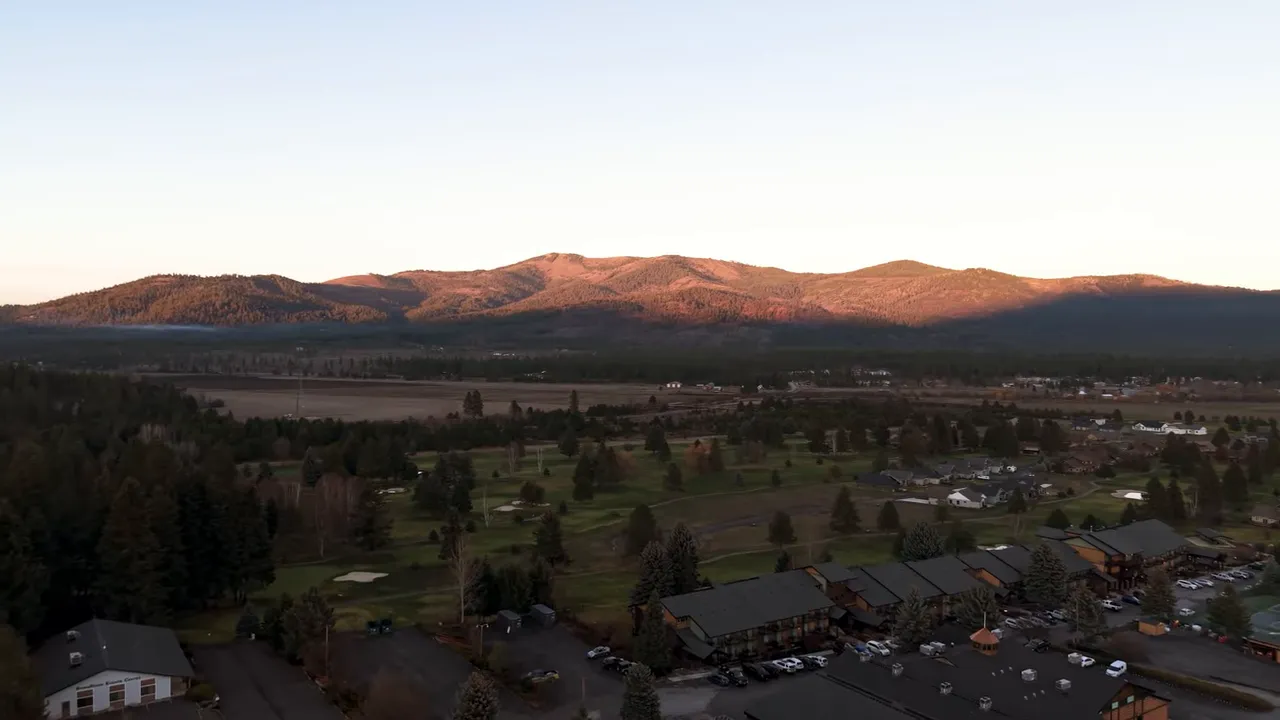
We do trade some rugged independence for a cleaner and more consistent environment. That can be a very good deal if what we want is rural scenery without having to solve every property issue ourselves.
Home Costs, Taxes, Utilities, and Internet
The median home value in Blanchard has been sitting around the mid-$500,000 range, but that number swings wildly based on acreage, views, road access, wells, septic systems, power availability, and the type of neighborhood.
Raw land is where people can get romantic and then get surprised. We may find a beautiful parcel for what looks like a reasonable number, but the property still needs the infrastructure that makes it usable.
- Well drilling and pump equipment
- Septic design and installation
- Driveway construction and grading
- Power trenching and connection
- Site preparation before construction
Those items can add tens of thousands of dollars before we even break ground. Living in Blanchard, Idaho can absolutely work for someone who wants to build, but the budget needs to account for the boring parts before we fall in love with the view.
Property taxes are part of the appeal
Bonner County has some of the lower rural property tax rates in Idaho. Idaho’s homeowner exemption can also remove 50% of a primary residence value from taxation, up to $125,000. Compared with places such as Washington or California, taxes can feel almost suspiciously low.
But low property taxes do not erase the cost of rural living. They just move the costs around. A lower tax bill can coexist with a well repair, a septic pumping bill, propane refills, private road maintenance, or insurance that costs more because the property is heavily forested.
Well, septic, power, and internet
Outside residential areas such as Stoneridge, many properties rely on private wells and private septic systems. That means we are responsible for water testing, septic pumping every few years, and repairing a well pump when it eventually decides it has had enough.
Power is generally supplied by or Northern Lights, and rates are reasonable for Idaho. Internet is much more property-specific. Some locations have fiber, while others use satellite or mixed wireless options. Starlink is common, but thick tree cover can affect whether it works well.
Cell service tends to be more reliable along Highway 41. Once we get deeper into timber and hills, coverage needs to be checked at the exact property. For remote workers, that detail matters. Nothing is worse than buying a house for a work-from-home plan and discovering it is really a work-from-town plan.
Wildlife and Land Maintenance
When we put the laptop down, living in Blanchard, Idaho becomes a very different experience from conventional subdivision life. We are not just living near nature. We are living in its habitat.
Deer in the yard are common. Elk roam the fields. Bears may decide our trash cans look interesting. The wildlife is beautiful, but it requires some practical adjustments.
- Secure trash and food sources
- Protect gardens and landscaping
- Expect wildlife to test fences and boundaries
- Plan landscaping around deer and local conditions
- Keep defensible space clear for wildfire mitigation
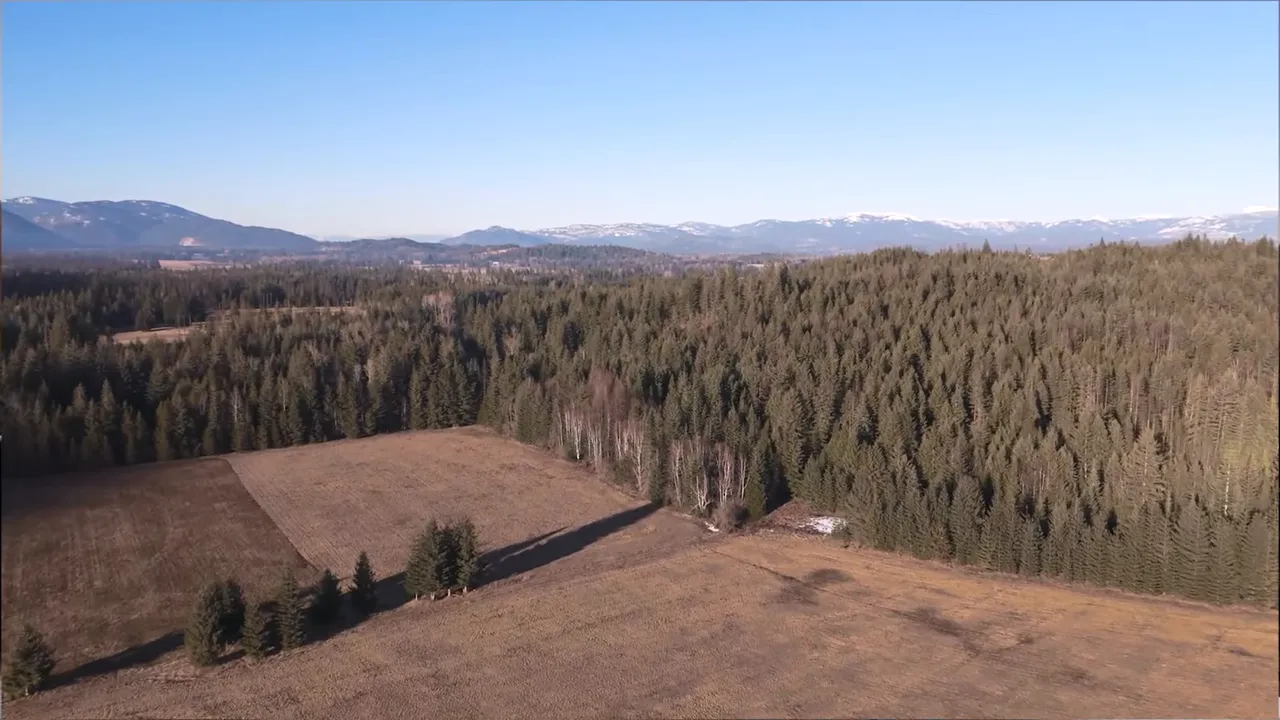
Land ownership is work. We are mowing for fire mitigation, managing weeds, maintaining fences, grading driveways, and keeping the property from slowly taking itself back. Summer tests our work ethic. Winter tests our budget.
Many homes use propane, and heating can cost a few thousand dollars per year depending on home size and insulation. Wood stoves are common and can be economical if we are willing to cut, split, haul, and stack wood. Of course, the savings may eventually find their way to the chiropractor.
Electric heat is an option, but it can be expensive enough to make us nervous about opening the bill. This is why a heating strategy needs to be part of the decision before living in Blanchard, Idaho, not an afterthought after the first snowstorm.
Wildfire insurance deserves an early phone call
Rural North Idaho has seen rising insurance premiums due to wildfire risk. Heavily forested parcels can cost more to insure, and some carriers have become stricter about what they will cover.
Before we get emotionally attached to a property, we should confirm insurance availability and cost. The dream view is a lot less dreamy if insurance becomes unavailable or wildly expensive after we are already under contract.
Who Is Blanchard Really For?
Living in Blanchard, Idaho works best when we are honest about what we want. It is a great fit for people who value space, privacy, outdoor access, lower density, and taking care of their own property.
It is especially appealing if we are comfortable driving 30 to 40 minutes for major services, can handle rural road logistics, and do not expect city convenience packaged with rural pricing.
It is not a great fit if we want all three of these things at once:
- Town-level convenience
- No winter responsibility
- Affordable rural property with no tradeoffs
That version does not exist. But there are two solid paths here. We can choose the original Blanchard lifestyle of acreage and independence, or we can choose a more maintained environment around Stoneridge and accept the added cost for predictability.
A Family Perspective on Moving to Blanchard, Idaho
The practical realities matter, but so does the human side. One young family moved from El Paso, Texas, to rural Blanchard after deciding they wanted a different environment, cooler weather, more outdoor time, and enough land to do something with.
They did not need 10 acres. Their acre and a half was right in the zone they wanted. It gave them room for kids, homesteading goals, and a life that did not feel like moving from one crowded suburban area to a more expensive version of the same thing.
They had considered Post Falls and Coeur d’Alene, but the close-quarter lots reminded them too much of what they were trying to leave behind. Land was the deciding factor.
More space did not mean less community
One of the biggest concerns before moving was loneliness. They knew only a few people in the region and were moving farther away from family and longtime friends. The first month was difficult, especially for someone used to regularly visiting family back in El Paso.
But they found community through church and neighbors. Game nights, dinners, friendships, and a slower rhythm made the transition much easier. Within about one to two months, the area began to feel like home.
That is an important point for living in Blanchard, Idaho. Rural life can absolutely be isolating if we do nothing but stay on the property. But space does not automatically create loneliness. It can also create a healthier kind of connection where people have room to breathe, then choose to spend time together.
Their experience with culture and daily life
As a Hispanic woman, one member of the family said she had not personally felt unwelcome in the area. Her church community was especially welcoming, and she described people in general as friendly, honest, and more likely to acknowledge one another in everyday places.
They also felt less rushed. Less traffic, a work-from-home setup, and the slower pace all contributed to that. They found more children and more family-oriented community than they expected, which felt like a positive change as new parents.
That does not mean every experience will be identical. It does mean we should avoid making decisions based on assumptions alone. Spend time in the area, meet people, run errands, drive the roads, and see how the place feels for us.
Advice Before Moving to Rural North Idaho
The best advice is simple: take inventory of what we like to do and what kind of daily life we actually want. If Idaho checks those boxes, spend meaningful time here before making the commitment.
Rent for a month if possible. Drive the area. Check the grocery run. Test the cell service. See the roads. Notice how far the hospital is. Understand whether being 40 minutes from services feels peaceful or stressful.
People often underestimate just how rural Idaho can get. We can go from “a little outside town” to a house that is one or two hours from a grocery store very quickly. There is nothing wrong with wanting rural life, but we do not want to bite off more isolation than we can handle.
At the same time, many people overthink whether they will make friends. This family worried they would leave everything behind and end up lonely. Instead, they integrated quickly. The right community involvement can make a huge difference.
Before living in Blanchard, Idaho, decide whether your life is already trending rural. If we need everything five minutes away, have serious concerns about distance from medical care, or dislike home maintenance, the lifestyle may not fit. And yes, we are probably going to cook at home more, so investing in good cookware would not hurt.
If you’re weighing whether acreage or a more structured neighborhood fits your budget and lifestyle, I’m here to help. Reach out anytime! Call or text my team at 208-907-5757 and we’ll point you to the right areas, questions to ask, and what to verify before you sign.
FAQs About Living in Blanchard, Idaho
Is Blanchard, Idaho a good place to live?
Living in Blanchard, Idaho can be excellent for people who want land, privacy, wildlife, and a slower rural pace. It is less ideal for anyone who needs frequent city conveniences, short errands, or easy winter driving without preparation.
How far is Blanchard from Coeur d’Alene and Sandpoint?
Blanchard is roughly 40 minutes from Coeur d’Alene and about 35 to 40 minutes from Sandpoint. Rathdrum is generally 15 to 30 minutes away, depending on the property location.
Does Blanchard get a lot of snow?
Yes. Blanchard is in North Idaho’s snow belt and receives more snowfall than Coeur d’Alene, with snow often lingering longer. Four-wheel drive, proper winter tires, and a plan for private-road access are important.
Are homes in Blanchard on well and septic?
Many properties outside residential areas such as Stoneridge use private wells and septic systems. That means homeowners are responsible for water testing, septic pumping, repairs, and maintenance.
Is internet reliable in Blanchard?
It depends heavily on the specific property. Some areas have fiber, while others rely on satellite or mixed wireless service. Starlink is common, but heavy tree cover can be a factor. Cell service should also be tested before purchasing a rural property.
What is the biggest hidden cost of buying land in Blanchard?
Infrastructure is the major surprise. Wells, septic systems, driveway grading, power trenching, and site preparation can add tens of thousands of dollars to a raw-land project before construction begins.
Living in Blanchard, Idaho is no longer just for the person trying to disappear into the woods. We can still find that lifestyle, but we can also find maintained neighborhoods, paved roads, golf course homes, and lake-adjacent properties.
The real question is not whether Blanchard is good or bad. The question is whether we are built for its tradeoffs. If we want space, are prepared for snow, can handle distance, and understand that land ownership comes with work, Blanchard offers a genuinely special middle ground in North Idaho.
Just do the homework before we make a six-figure mistake. Check the road, insurance, well, septic, power, internet, winter access, and total cost of ownership. Then we can decide whether the quiet, space, and freedom are exactly what we have been looking for.
Read More: North Idaho vs East Washington: A Practical Cost of Living, Safety, and Lifestyle Comparison